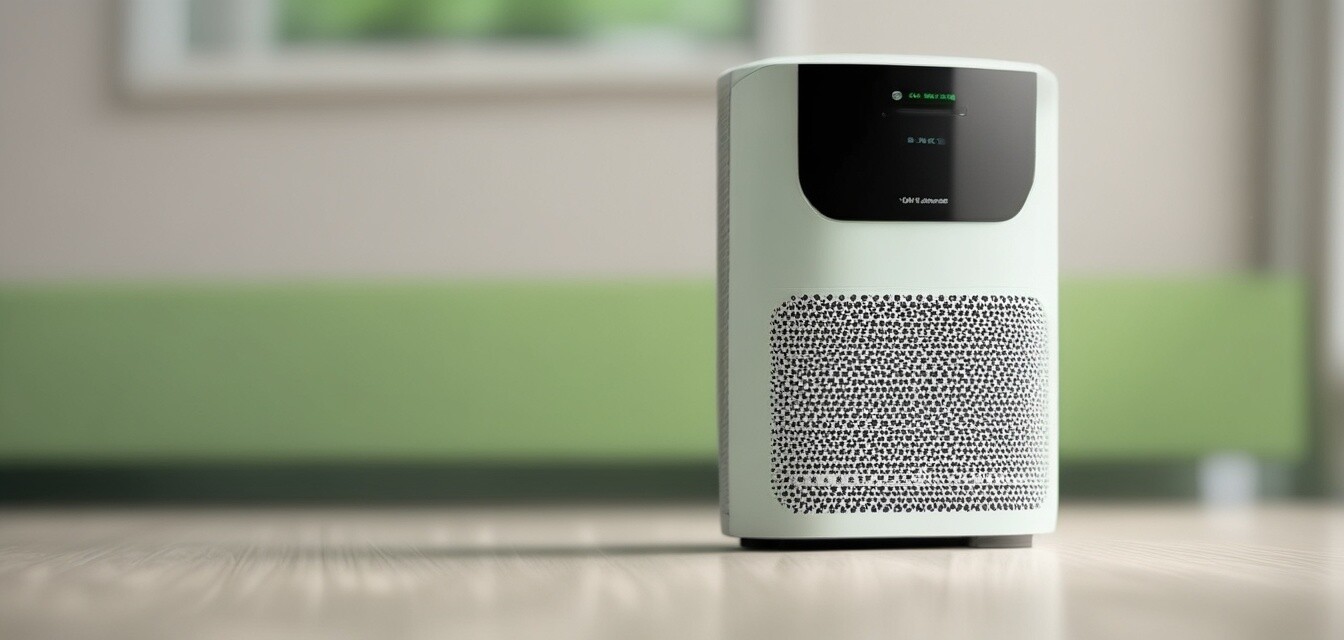
The Best HEPA Filters for Air Purifiers
Key Takeaways
- HEPA filters trap up to 99.97% of particles 0.3 microns in size.
- Choosing the right HEPA filter can significantly reduce allergens in your home.
- Consider filter replacement intervals to maintain efficiency.
- Compatibility with your specific air purifier model is crucial.
- Look for certification labels to ensure quality and performance.
When managing seasonal allergies, one of the most effective tools at your disposal is an air purifier equipped with a HEPA filter. These filters are specially designed to capture a wide range of allergens and pollutants, helping to create a cleaner breathing environment.
Understanding HEPA Filters
HEPA stands for High-Efficiency Particulate Air. Filters that meet the HEPA standard must capture at least 99.97% of particles measuring 0.3 microns in diameter. This capability allows them to trap allergens such as dust mites, pollen, pet dander, and mold spores.
Benefits of HEPA Filters
- Highly effective in reducing airborne allergens.
- Improves overall indoor air quality.
- Quiet operation, making them suitable for night-time use.
Factors to Consider When Choosing HEPA Filters
Filter size and compatibility
Ensure that the HEPA filter you choose fits your air purifier's specifications. Each model has different dimensions, so verifying compatibility is essential.
Filtration efficiency
Not all HEPA filters are created equal. Look for filters that have been certified by relevant authorities to guarantee their efficiency in capturing particles.
Replacement frequency and cost
Some filters need to be replaced every few months, while others may last up to a year. Calculate the long-term costs based on the replacement frequency.
| Feature | Standard HEPA Filter | True HEPA Filter |
|---|---|---|
| Particle capture rate | 99.5% | 99.97% |
| Common allergens captured | Large particles | Small particles, dust, pet dander, pollen |
| Longevity | Varies | 6-12 months |
| Price | Lower | Higher |
Top HEPA Filter Brands
Choosing a reputable brand can make a significant difference in effectiveness. Here are a few well-known brands you might consider:
- Brand A - Known for advanced filtration technologies.
- Brand B - Offers budget-friendly options without compromising quality.
- Brand C - Features high-end filters with long-lasting performance.
Maintenance Tips for HEPA Filters
To ensure your HEPA filter works efficiently:
- Regularly vacuum around the air purifier to reduce dust accumulation.
- Follow the manufacturer's recommendations for filter replacement.
- Clean the pre-filters (if applicable) to prolong the life of the HEPA filter.
Pros
- High efficiency in capturing allergens.
- Improves overall air quality.
- Generally quiet operation.
Cons
- Higher upfront costs compared to standard filters.
- Requires regular maintenance and replacement.
Where to Buy HEPA Filters
You can find a range of HEPA filters in various stores, but shopping online provides the widest selection. Check popular retailers for customer reviews and ratings to make an informed decision.
Conclusion
Choosing the right HEPA filter for your air purifier is essential for alleviating seasonal allergies. Focus on finding a filter that fits your needs, budget, and air purifier model. Always prioritize quality to ensure the best possible air quality in your home.
For more tips on managing seasonal allergies, visit our Tips and Best Practices section or explore our News and Trends articles for the latest information.