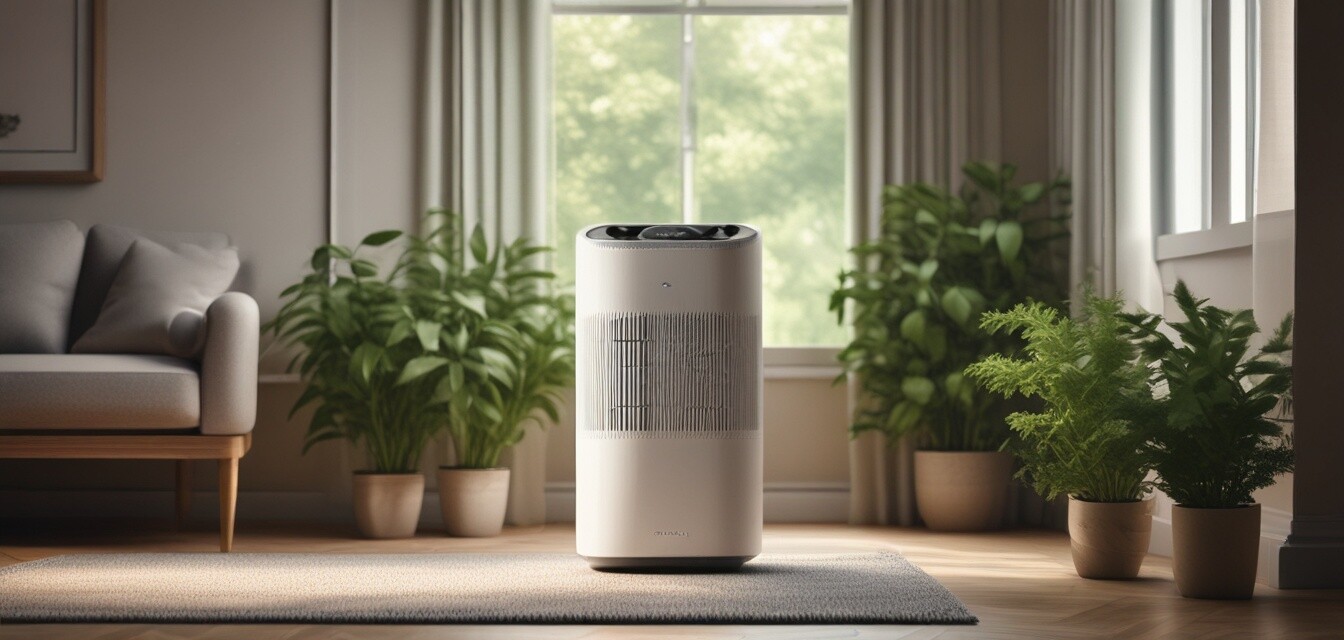
Choosing the right air purifier: Key features to consider
Key Takeaways
- Understand the different types of air filters available.
- Look for a high Clean Air Delivery Rate (CADR).
- Consider noise levels, especially for bedrooms.
- Evaluate the size and coverage area of the purifier.
Finding the right air purifier can significantly improve your comfort during allergy season. With various models and features available, it’s essential to understand what to look for before making a purchase. This guide will help you navigate the key features to consider when selecting an air purifier that suits your needs.
Why air purifiers matter for allergy relief
Air purifiers play a crucial role in reducing allergens in your home, making it a healthier environment for everyone. They help eliminate dust, pollen, pet dander, and other irritants, providing you with cleaner air. Let's explore the critical features to keep in mind when choosing the right unit for you.
Key features to consider
1. Filter types
The type of filter used in an air purifier is paramount for its effectiveness. Below are the common types:
| Filter Type | Benefits | Considerations |
|---|---|---|
| HEPA Filters | Catches 99.97% of particles 0.3 microns or larger | Regular replacement needed |
| Activated Carbon Filters | Removes odors and chemicals | Less effective for small particles |
| UV Filters | Uses UV light to kill bacteria and viruses | Does not remove particles from the air |
2. Clean Air Delivery Rate (CADR)
The CADR rating signifies how quickly the purifier can clean the air in a specific-sized room. Higher CADR ratings imply that the air purifier performs better. Here’s what to look for:
- Choose a model with CADR ratings of at least 200 for medium rooms.
- For larger spaces, look for ratings above 300.
- Make sure the CADR rating suits the size of your intended room.
3. Noise levels
Noise levels can affect your comfort, particularly if you're using the purifier in a bedroom or quiet space. Here are some points to consider:
- Check for the decibel levels (dB) of the device.
- Look for models with a "quiet" or "sleep" mode for nighttime usage.
- Compare sound levels with other units in your price range.
4. Size and coverage area
The size of the air purifier is directly related to the area it can efficiently cover. Consider these factors:
- Match the unit’s coverage area with the size of your room.
- Consider the layout of your space; barriers can affect airflow.
- Review square footage specifications on the product label.
Comparison with other allergy relief products
While air purifiers can substantially improve indoor air quality, they are not the only solution on the market. If you are considering alternatives, visit our pages on allergy medications, allergy-proof bedding, and eye drops & treatments for more options.
Tips for maximizing the effectiveness of your air purifier
Beginners section
- Place your air purifier in an open area for optimal air circulation.
- Keep windows and doors closed to prevent outdoor pollutants from entering.
- Regularly change or clean your filters as per the manufacturer's instructions.
- Schedule routine maintenance to ensure the device operates efficiently.
Pros
- Effective in reducing airborne allergens.
- Improves overall air quality for healthier living.
- Many models include additional features like air quality indicators.
Cons
- Initial investment can be significant.
- Ongoing costs for replacement filters.
- Some models may be noisy on higher settings.
Conclusion
Choosing the right air purifier involves careful consideration of various features, including filter types, CADR, noise levels, and coverage area. By understanding these key elements, you can make an informed decision that enhances your living environment, especially during allergy season. For more insights on choosing the best products, check out our comprehensive buying guides.