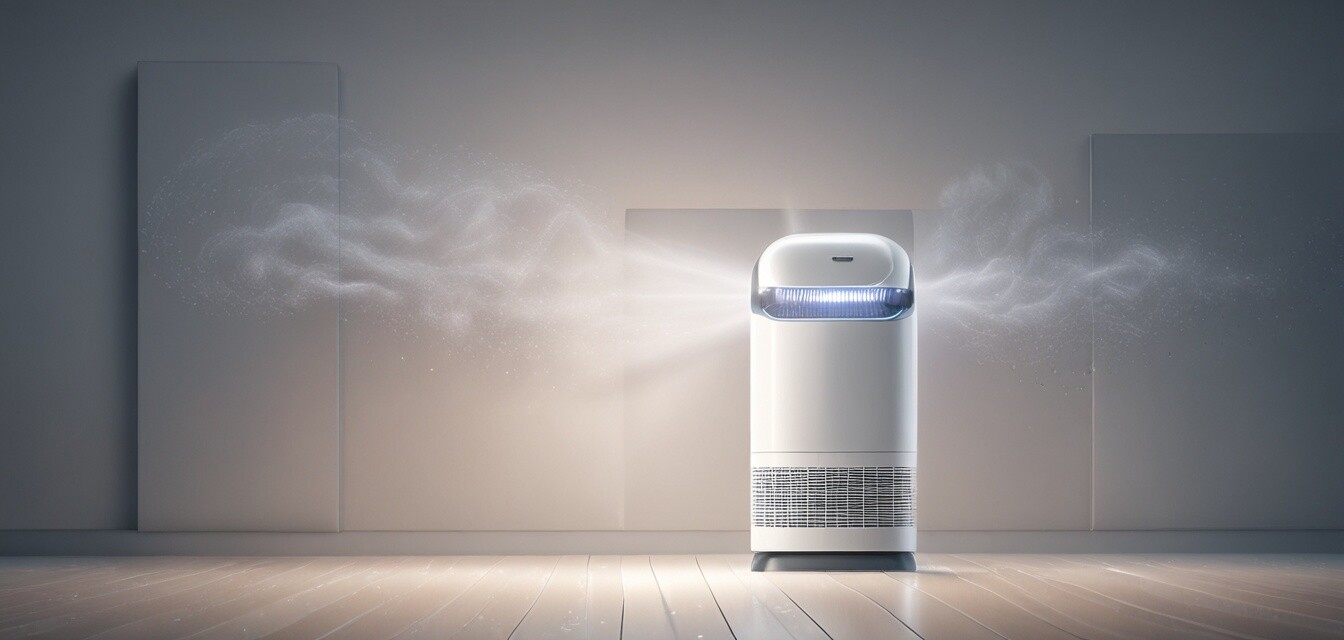
The Science Behind Air Purifiers: What You Need to Know
Key Takeaways
- Understanding how air purifiers work is essential for effective allergy management.
- Different filtration technologies target different types of pollutants.
- The size and type of air purifier should align with your specific needs.
- Regular maintenance and filter replacement are crucial for optimal performance.
Air purifiers have become an integral part of many households, particularly for those managing seasonal allergies. But how exactly do these devices work? In this article, we will explore the science behind air purifiers, focusing on their filtration technology and effectiveness in improving indoor air quality.
What are air purifiers?
Air purifiers are devices designed to remove contaminants from the air in a room. They are known to help reduce allergens, dust, smoke, and various other pollutants, making the air cleaner to breathe. The importance of clean air cannot be overstated, especially for allergy sufferers and those with respiratory issues.
How air purifiers work
The core functionality of air purifiers revolves around filtration systems. Here are the various types of filtration technologies used in air purifiers:
| Filtration Technology | Description | Best For |
|---|---|---|
| HEPA Filters | High-efficiency particulate air filters can trap particles as small as 0.3 microns. | Pollen, dust mites, pet dander |
| Activated Carbon Filters | Use carbon to adsorb odors and VOCs (volatile organic compounds). | Smoke, cooking odors, chemicals |
| UV Light Air Purifiers | Use ultraviolet light to kill bacteria and viruses. | Bacteria, viruses, mold spores |
| Ionizers | Release negative ions that attach to particles and cause them to settle. | Dust, allergens, smoke |
Why air purifiers are essential for allergy management
Air purifiers can significantly enhance your indoor air quality, helping to manage allergy symptoms. Here’s how they contribute:
- Reduction in pollutants: By effectively removing pollen, dust, and other allergens from the air, they create a healthier living environment.
- Improved air circulation: Many air purifiers also help circulate air in a room, further ensuring that contaminants are captured and not distributed throughout your living space.
- Customization: Different models cater to various needs; whether you need an air purifier for large rooms or smaller spaces, there's an option for everyone.
Choosing the right air purifier
When selecting an air purifier, consider the following factors:
- Room size: Ensure the purifier is suitable for the space it will be used in.
- Filter type: Based on your specific allergies, choose an appropriate filter type. For example, HEPA filters are ideal for allergens.
- Maintenance: Look into maintenance requirements, such as filter replacement frequency and costs.
- Noise level: Some air purifiers can be noisy; look for units with lower decibel ratings if noise is a concern.
Maintaining your air purifier
To ensure your air purifier functions effectively, regular maintenance is essential:
- Check and replace filters as recommended by the manufacturer.
- Clean the unit's exterior and any accessible components to prevent dust build-up.
- Monitor the air quality in your home regularly and adjust the settings as necessary.
Conclusion
Understanding the science behind air purifiers and their filtration technologies can empower you to make informed decisions for your home. By choosing the right air purifier and maintaining it properly, you can significantly improve your indoor air quality and alleviate allergy symptoms.
Tips for effectively using air purifiers
- Place the air purifier in areas where you spend the most time, such as the living room and bedroom.
- Keep doors and windows closed when the unit is running to maximize effectiveness.
- Consider using multiple units for larger spaces to ensure comprehensive coverage.
Pros
- Enhances indoor air quality by reducing allergens and pollutants.
- Variety of models available for different needs and spaces.
- Can improve overall health and comfort for allergy sufferers.
Cons
- Requires ongoing maintenance and filter replacements.
- Can be an initial financial investment.
- Not all models are suitable for all room sizes.
Explore more
To further improve your knowledge about allergy management, consider checking out our other resources: