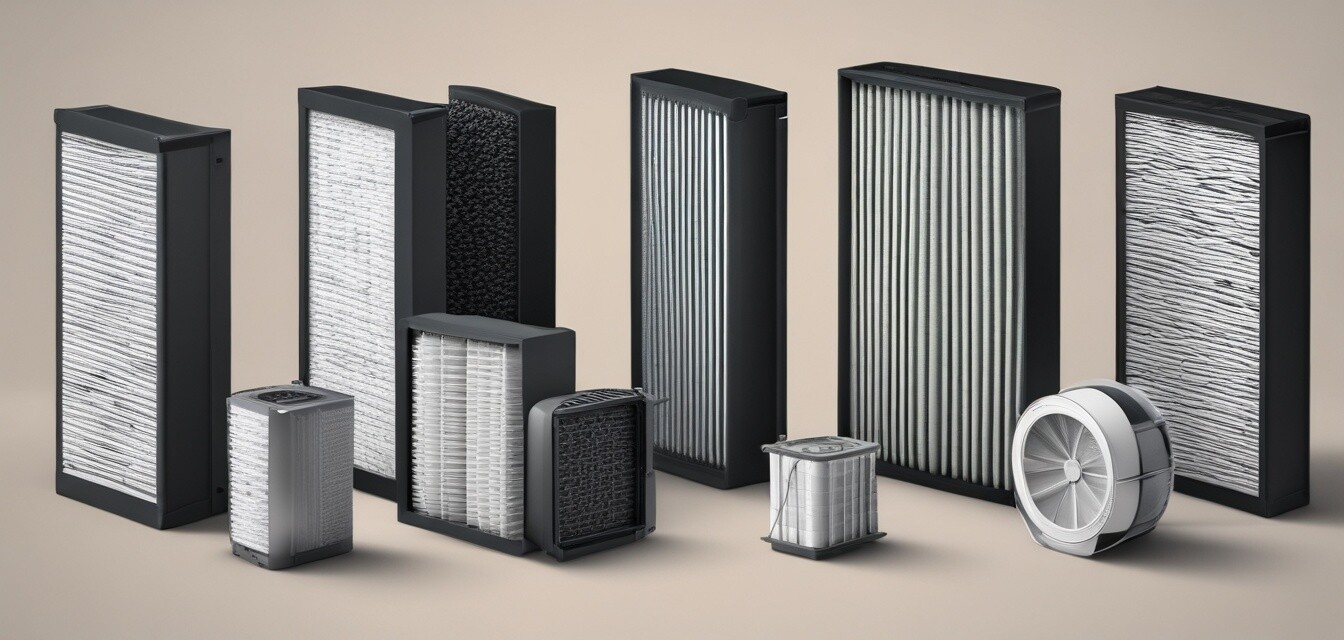
Understanding Air Purifier Filters: A Buyer’s Guide
Key Takeaways
- There are several types of air purifier filters, each serving specific functions.
- HEPA filters are crucial for capturing allergens and fine particles.
- Activated carbon filters help eliminate odors and volatile organic compounds (VOCs).
- Understanding filter maintenance and replacement schedules is vital for efficiency.
- Consider your allergies and environment when selecting an air purifier.
Choosing the right air purifier can make a significant difference in managing seasonal allergies. Filters play an essential role in the effectiveness of air purifiers, and understanding the different types can help you find the right machine. In this guide, we’ll explore the various air purifier filters available, their functions, and what to consider when making a purchase.
Types of Air Purifier Filters
1. HEPA Filters
High-Efficiency Particulate Air (HEPA) filters are among the most effective for removing allergens from the air. These filters are designed to trap particles as small as 0.3 microns, including pollen, dust, and pet dander.
2. Activated Carbon Filters
Activated carbon filters absorb odors, smoke, and chemicals. This is especially useful in households with pets or in areas with high air pollution. Combining these with HEPA filters gives a comprehensive approach to air purification.
3. Pre-Filters
Pre-filters capture larger particles, extending the lifespan of HEPA filters by preventing them from getting clogged. They are typically washable or replaceable and are a cost-effective addition to air purifiers.
4. Ionizer Filters
Ionizers release charged particles into the air that attach to pollutants, causing them to settle out of the air. It is essential to note that some ionizers can produce ozone, which may be harmful.
5. UV Light Filters
These filters use ultraviolet light to kill bacteria and viruses. While they are useful in specific settings, they are usually combined with other filter types for optimal air quality.
Understanding Filter Efficiency
When selecting an air purifier, it’s crucial to look at the CADR (Clean Air Delivery Rate) rating, which indicates the volume of filtered air delivered per minute. A higher CADR means more efficient operation.
| Filter Type | Particle Size Captured | Common Uses |
|---|---|---|
| HEPA | 0.3 microns | Allergen removal |
| Activated Carbon | Odors and VOCs | Smoke, chemical odors |
| Pre-Filter | Large particles | Extending HEPA life |
| Ionizer | Pollutants | General air cleaning |
| UV Light | Bacteria, viruses | Hospital settings |
Choosing the Right Air Purifier
When selecting the right air purifier for your needs, consider the following factors:
- Allergies: Identify specific allergens that trigger your symptoms to choose filters that target them.
- Room Size: Ensure the purifier's capacity fits the space in which it will be used.
- Noise Level: Look for models with quieter operations if you plan to use them in bedrooms or offices.
Maintenance and Replacement
Optimal performance of your air purifier relies on regular maintenance and timely filter replacements. It’s advisable to follow the manufacturer’s recommended schedule.
Tips for Beginners
- Read reviews to find reliable air purifiers.
- Consider a warranty for added peace of mind.
- Watch out for replacement filter costs when selecting a model.
- Invest in an air purifier with multiple filters for comprehensive air cleaning.
Conclusion
Understanding air purifier filters is essential for choosing a model that will effectively remove allergens and improve your indoor air quality. Make sure to weigh your options and select a purifier that aligns with your specific needs.
Pros
- Improves indoor air quality
- Reduces allergens and odors
- Enhances comfort during allergy season
Cons
- Replacement filters may be costly
- Initial purchase price can be high
- Some models can be noisy
For More Information
If you’re looking to explore more products and solutions for managing seasonal allergies, check out our other buying guides: