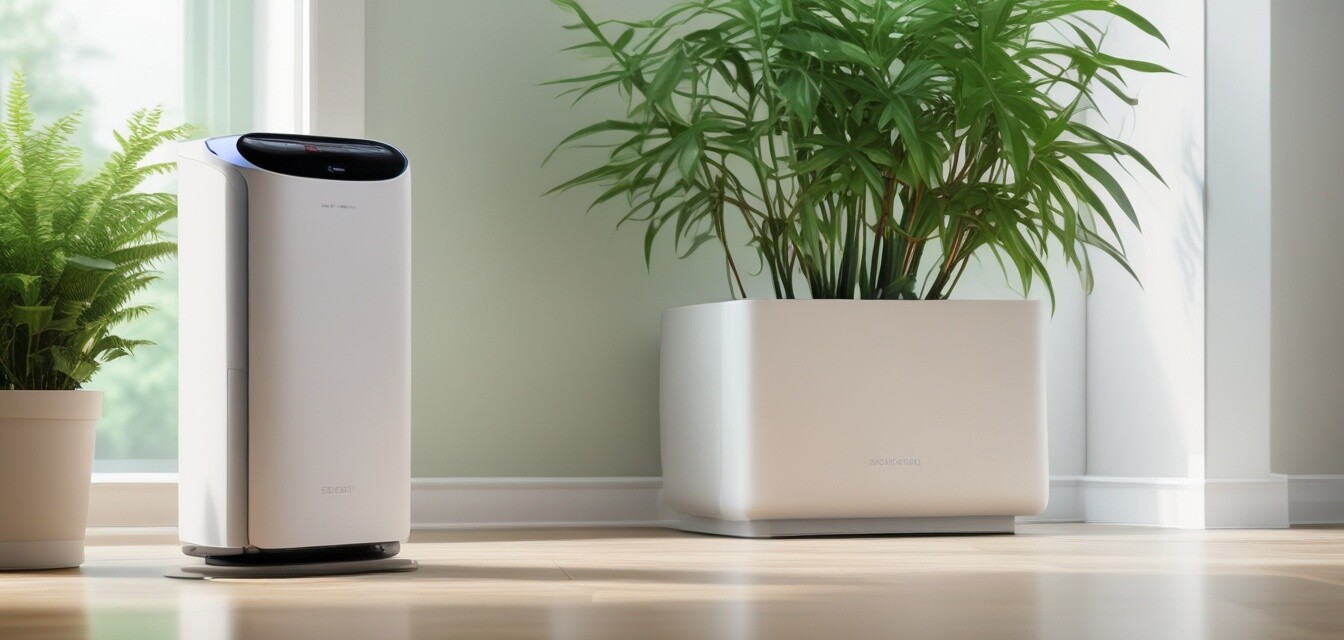
Understanding UV Air Purifiers: Are They Right for You?
Key Takeaways
- UV air purifiers utilize ultraviolet light to kill airborne pathogens.
- They are effective against bacteria, viruses, and some allergens.
- Consider size, room type, and maintenance when choosing a UV air purifier.
- Not all UV air purifiers are created equal; look for tested models.
- Complementing other air purification methods can enhance overall effectiveness.
If you suffer from seasonal allergies, finding the right air purification solution can be crucial for your comfort. Among the many options available, UV air purifiers have gained popularity due to their unique germicidal properties. This detailed guide will explore how UV air purifiers work, their effectiveness against allergens, and whether they might be the right choice for you.
What Are UV Air Purifiers?
UV air purifiers are devices designed to eliminate airborne contaminants using ultraviolet light. Unlike traditional filters that trap particles, these purifiers target and neutralize microorganisms by disrupting their DNA, effectively rendering them harmless. This technology has paved the way for cleaner air spaces, particularly for users sensitive to allergens.
How Do UV Air Purifiers Work?
The working mechanism of a UV air purifier is relatively straightforward:
- Air Intake: Air is drawn into the unit through a fan.
- UV Exposure: The air passes through a chamber where it's exposed to UV light. This light acts on any pathogens present, including bacteria and viruses.
- Clean Air Release: The treated air is then released back into the room, now free of harmful microorganisms.
Effectiveness Against Allergens
One of the main questions users often ask is whether UV air purifiers are effective against seasonal allergens. While they can help reduce the presence of certain allergens like mold spores and some bacteria, their effectiveness may vary:
- Mold and Bacteria: UV light can significantly reduce mold and bacteria levels in the air.
- Pollen and Dust Mites: These larger particulates are generally filtered out by HEPA filters rather than UV light.
- Viruses: UV air purifiers can also neutralize viruses, making them a valuable asset in your allergy management toolkit.
Choosing the Right UV Air Purifier
When selecting a UV air purifier, several factors should be considered:
| Feature | Description |
|---|---|
| Room Size | Ensure the purifier's coverage matches your room's dimensions. |
| Filtration System | Look for models with HEPA filters for comprehensive allergen removal. |
| Maintenance | Consider how often the bulbs and filters need replacing. |
| Certification | Choose products tested for effectiveness by accredited organizations. |
Pros and Cons of UV Air Purifiers
Pros
- Effective at neutralizing bacteria and viruses.
- Does not produce harmful byproducts.
- Complementary to HEPA filtration systems.
Cons
- Not particularly effective against larger allergens like pollen.
- Requires regular maintenance and bulb replacements.
- Some models can be expensive.
Complementary Solutions for Allergy Management
While UV air purifiers can be an excellent addition to your allergy management strategy, they work best when used in conjunction with other solutions. Here are some recommendations:
- Air purifiers that use HEPA filters can effectively trap larger allergens.
- Regular cleaning of your home environment to reduce dust and pet dander.
- Utilizing allergy medications when necessary.
- Investing in allergy-proof bedding to reduce exposure during sleep.
- Using eye drops and treatments for immediate relief of allergy symptoms.
Conclusion
UV air purifiers offer a powerful tool in the fight against airborne pathogens, particularly for individuals sensitive to bacteria and viruses. However, they may not be the comprehensive solution for all allergens. By combining UV purifiers with other methods of allergen control, individuals can create a healthier indoor environment conducive to better quality of life. Make sure to assess your needs and preferences before making a decision, so you can choose the solution that is truly right for you.
For more insights on managing seasonal allergies effectively, consider checking out our Buying Guides or explore additional product categories on our site.