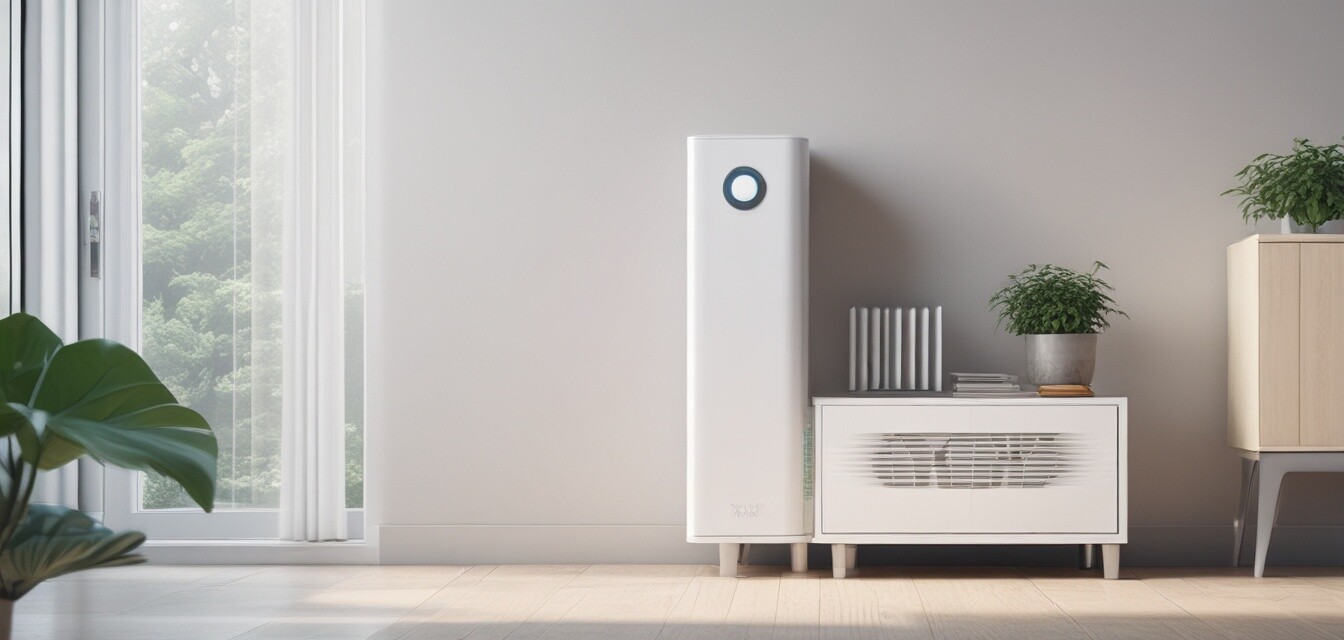
Trends in air purifier technology for 2025
Key Takeaways
- The use of smart technology is changing how air purifiers operate and connect with individuals.
- New filtration materials improve the efficiency of allergen removal.
- Noise reduction technology is becoming standard in modern air purifiers.
- Integration with smart home devices enhances convenience and control over air quality.
- Environmental sustainability is influencing design and materials used in air purifiers.
With the continuous battle against seasonal allergies, air purifiers have become essential in many households. As we look toward 2025, advancements in air purifier technology are set to transform the landscape, providing more effective solutions for allergy sufferers. This article explores the latest innovations, focusing on smart features, materials that enhance performance, and trends that are shaping the future of air purification.
Smart technology integration
Smart technology integration is becoming a key feature in air purifiers. These devices can now connect to the Internet or local smart home networks, allowing for remote monitoring and control. Here's how these advancements are changing the user experience:
- Mobile apps: Users can operate their purifiers from a smartphone, adjusting settings based on real-time air quality data.
- Voice control: Compatibility with voice assistant devices such as Alexa or Google Assistant is making air purification hands-free and more convenient.
- Automatic adjustments: Advanced sensors can detect pollutants and automatically adjust the purifier's settings to handle any changes in air quality.
Innovative filtration systems
In 2025, the materials used in air purifiers will become more advanced. Traditional HEPA filters are evolving, and new filtration systems are being developed. Below is a table highlighting some of the innovations in filtration technologies:
| Filtration Technology | Benefits |
|---|---|
| HEPA H13 and H14 filters | Highly efficient at trapping particulate matters, including allergens. |
| Activated carbon filters | Effective in removing odors and volatile organic compounds (VOCs). |
| UV-C light technology | Helps in neutralizing bacteria and viruses, complementing mechanical filtration. |
| Photocatalytic oxidation (PCO) | Uses UV light and a catalyst for breaking down pollutants at the molecular level. |
Noise reduction advancements
Noise has long been a significant concern for users of air purifiers. With technological progress, manufacturers are implementing quieter operation designs. The following features are helping minimize sound:
- Quiet motors: Upgrades to motor designs have significantly reduced operating noise levels.
- Acoustic insulation: Advanced materials are now used in housing designs to dampen sound.
- Multiple fan speeds: Enhanced control allows users to select lower settings for quieter operation at night.
Eco-friendly designs
As environmental awareness grows, many manufacturers are focusing on sustainability in air purifier designs. New trends include:
- Recyclable materials: More manufacturers are using recycled plastics and metals in producing their air purifiers.
- Energy efficiency: Improved efficiency ratings help reduce power consumption, as energy-saving features become the norm.
- Longer lifecycle filters: Filters with extended lifespans mean less waste, leading to protected living conditions and a healthier environment.
Pros
- Innovative features improve air quality significantly.
- User-friendly smart technology enhances usability.
- Noise-reduction designs create a peaceful environment.
- Eco-friendly materials support environmental sustainability.
Cons
- Higher cost for advanced technology models.
- Complex functions may overwhelm some users initially.
- Dependable internet connection needed for smart features.
Conclusion
As we move into 2025, the trends in air purifier technology highlight an exciting future focused on smart, efficient, and eco-friendly solutions to combat seasonal allergies. By understanding these advancements, consumers can make informed decisions that enhance their indoor air quality and overall well-being. For more insights on these topics, check out our comprehensive guides on air purifiers and best practices for allergy management to stay ahead in maintaining a healthy environment.
Stay informed about the latest advancements and trends in air purification technology to enhance your home’s air quality and combat allergens effectively.