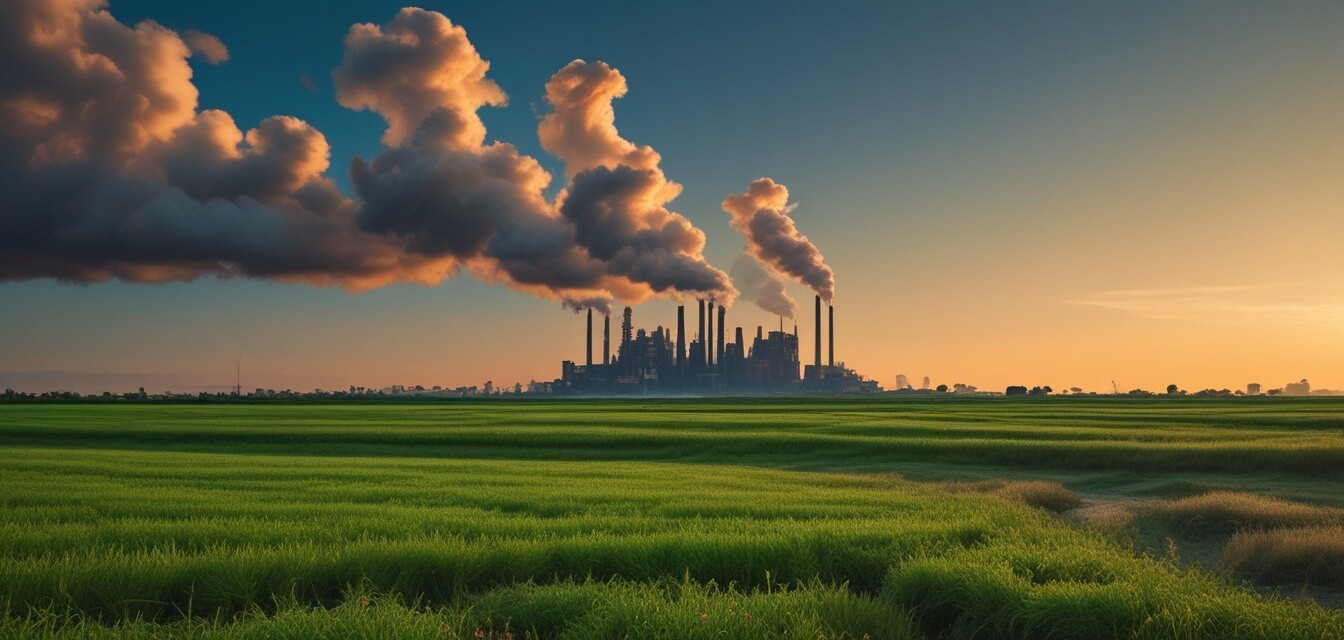
The Impact of Environmental Changes on Allergies
Key Takeaways
- Increasing pollution levels and climate change are contributing to rising allergy rates.
- Changes in pollen seasons and types can affect allergy sufferers differently.
- Awareness of environmental factors is crucial for managing allergies effectively.
- Adopting personal and community practices can help mitigate allergy impacts.
- Staying updated with new products and solutions can empower individuals to better handle allergies.
As our world continues to change, so too do the factors that affect our health. Among these is the growing crisis of seasonal allergies, influenced heavily by environmental changes like pollution and climate change. Understanding how these elements intertwine is essential for allergy sufferers looking for relief and better management strategies.
How environmental changes are affecting allergies
The relationship between environmental shifts and allergies is complex but increasingly clear. Here's a detailed look at several factors at play.
1. Climate change and pollen production
One major impact of climate change is the alteration of plant life cycles. Research suggests that increased temperatures and longer growing seasons can lead to:
- Earlier onset of pollen season
- Increased pollen production
- Shifts in the types of plants producing allergenic pollen
2. Pollution and its role in allergies
Higher pollution levels have been correlated with aggravated allergy symptoms. Here’s how pollution plays its part:
- Airborne pollutants can enhance the potency of pollen allergens.
- Pollution may contribute to inflammatory responses in the respiratory system.
- There are increases in respiratory tract irritations due to smog and particulate matter.
3. Changes in weather patterns
Unpredictable weather shifts can lead to:
- Fluctuations in humidity, influencing mold growth.
- Extreme weather events, such as heavy rainfall or storms, affecting allergen dispersion.
- Increased length of drought periods which may lead to elevated dust levels.
Understanding pollen trends
Pollen counts vary widely from year to year based on environmental factors. The following table summarizes recent trends in pollen production:
| Year | Pollen Count (High) | Main Allergen Sources |
|---|---|---|
| 2020 | 1200 | Ragweed, Grass |
| 2021 | 1500 | Tree, Ragweed |
| 2022 | 1800 | Grass, Mold |
| 2023 | 1600 | Tree, Ragweed |
Ways to combat seasonal allergies
Here are some strategies that individuals can adopt to manage allergies in the face of environmental changes:
Adapt your home environment
- Invest in high-quality air purifiers to lower indoor pollen and pollutant levels. Check our air purifiers section for tips.
- Keep windows closed during high pollen seasons and use air conditioning.
- Regularly clean and maintain your living space to limit dust and mold accumulation.
Consider allergy medications
During peak seasons, staying informed about the best ways to manage symptoms is essential. Browse our allergy medications page for more information.
Stay educated and informed
Understanding allergen forecasts can help you prepare accordingly. Follow trends and updates by visiting our blog category.
Conclusion
Environmental changes significantly impact seasonal allergies, affecting rates, timing, and severity. By increasing awareness and adapting strategies, individuals can navigate these challenges more effectively. We encourage you to stay informed and proactive in managing your health. Explore our tips and best practices for personal solutions.
Pros
- Increased awareness of allergy trends empowers individuals to take action.
- Adaptation strategies can lead to improved quality of life.
- Access to better products can enhance allergy management.
Cons
- Environmental changes may continue to escalate allergy situations.
- Not all regions are equally affected, leading to disparities in experiences.
- Adapting to new trends requires continual effort and education.