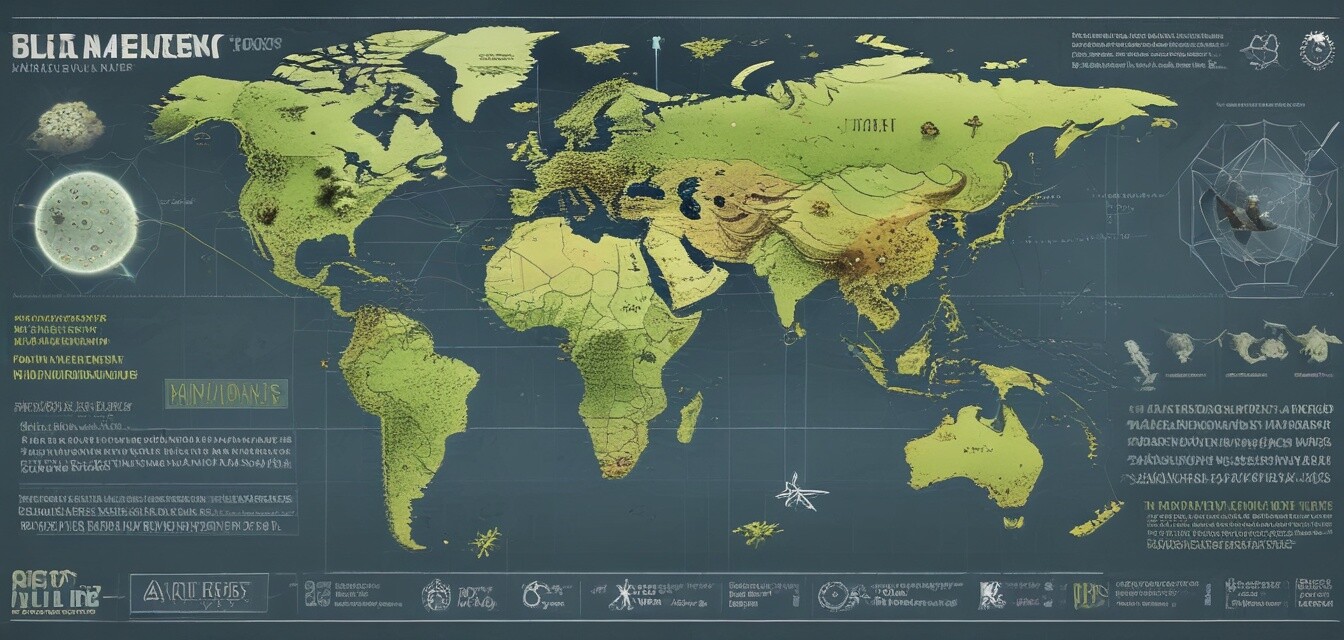
Global Allergy Trends: Comparing Different Regions
- Allergy prevalence varies significantly by region due to geographical and climatic factors.
- Pollen levels from trees, grasses, and weeds greatly influence seasonal allergies.
- Urban areas tend to have higher allergen concentrations due to pollution.
- Climate change is affecting allergen production and distribution globally.
- Understanding regional trends can help allergy sufferers better prepare and manage symptoms.
Seasonal allergies are a growing concern worldwide, and understanding how they differ across various regions can provide valuable insights for allergy sufferers. Geographical factors, climate, and local flora play a significant role in the types and levels of allergens present in different parts of the world. This article will explore and compare allergy trends globally, shedding light on the differences in allergen prevalence and offering insights into coping strategies.
Understanding Astronomical Patterns in Allergy Trends
Seasonal allergies are largely influenced by pollen levels, which fluctuate according to the seasons and regional climates. Each area has its specific types of pollen that are prevalent at different times in the year. Here’s a closer look at how these patterns differ by region:
| Region | Common Allergens | Peak Season |
|---|---|---|
| North America | Grass, tree, and weed pollen | Spring and summer |
| Europe | Birch, grass, and ragweed pollen | Spring and early autumn |
| Asia | Weed and grass pollen | Late summer |
| Australia | Grass and tree pollen | Spring |
| South America | Weed and mold spores | Year-round |
The Impact of Climate on Allergy Trends
Climate is a significant factor influencing the growth of allergenic plants and pollens. Unfortunately, climate change is altering the ways allergenic plants grow and release pollen. Here are some ways that climate impacts allergy trends:
- Extended Pollination Seasons: Warmer temperatures can lead to longer growing seasons for pollen-producing plants.
- Increased CO2 Levels: Higher carbon dioxide levels can enhance the growth and pollen production of certain plants, like ragweed.
- Extreme Weather: Storms and rainfall can increase mold growth, contributing to mold allergies.
Regional Variations in Climate-Driven Allergy Trends
| Climate Factor | Region | Effect on Allergies |
|---|---|---|
| Temperature Rise | Arctic regions | Extended periods of active plant growth |
| Increased Rainfall | Tropical regions | Higher mold levels |
| Air Pollution | Urban areas | Higher allergen concentrations |
| Drought Conditions | Desert regions | Reduced plant growth, but sporadic heavy pollen release |
Coping with Allergies Across Regions
While understanding allergy trends can provide valuable insights, it’s essential that individuals also know how to cope with their specific allergens. Here are some strategies that allergy sufferers can incorporate into their lives:
Tips for Managing Allergies
- Pay attention to local pollen forecasts and stay indoors during peak pollen times.
- Invest in high-quality air purifiers to reduce indoor allergens.
- Utilize allergy-proof bedding and coverings to minimize exposure to dust mites.
- Keep windows closed during high pollen seasons to prevent outdoor allergens from entering your home.
- Consult with healthcare professionals about appropriate allergy medications or treatments.
For a deeper understanding of specific products that can help manage allergies, consider exploring our Air Purifiers, Allergy Medications, and Allergy-proof Bedding sections.
The Role of Research and Trends
Continuous research is essential in understanding global allergy trends. New studies often shed light on evolving patterns and emerging allergens. Staying informed about the latest findings can empower allergy sufferers to better manage their symptoms. Some recent research has focused on:
- The impact of climate change on pollen levels
- Emerging allergens related to genetic modifications in crops
- Innovative treatments and preventive measures for allergy sufferers
To read more about the evolving research in allergy management, check our News and Trends section, which regularly posts about the latest studies and discoveries.
Conclusion
Understanding the global allergy trends offers insight into how geographic and climatic factors are shaping the prevalence of allergies worldwide. By being informed, allergy sufferers can better prepare for the challenges that each season brings and leverage strategies to minimize their impact. As climate continues to evolve, so too will the nature of allergens, making it essential for individuals to stay educated and proactive in managing their allergies.