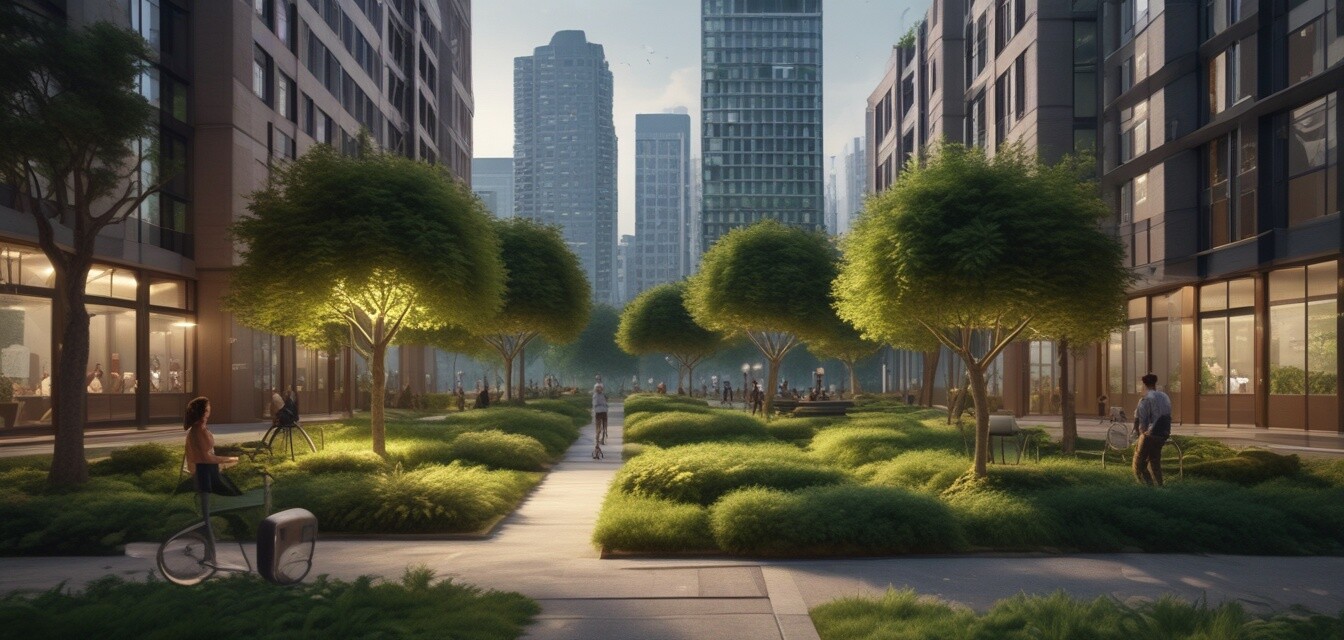
How urban areas are adapting to rising allergy rates
As the seasons change, allergy rates are becoming a growing concern for residents in urban areas. The increasing prevalence of allergies has prompted municipalities to take action to help their communities navigate this challenging issue. In this article, we will analyze the different initiatives urban areas are implementing to mitigate the impact of rising allergy rates on their residents.
- Urban areas face increasing allergy rates due to urban pollution and climate change.
- Municipalities are adopting green spaces and air quality measures.
- Community awareness and education play crucial roles in managing allergies.
- Innovative technologies are helping reduce allergens in public spaces.
- Emphasis on sustainability can support healthier urban environments.
The growing allergy crisis in urban settings
Allergies are impacting millions of people, with urban environments often exacerbating the situation. Factors such as pollution, a high concentration of allergens, and climate change contribute to elevated allergy rates. Understanding these factors is essential to the solutions municipalities are implementing.
Factors influencing allergy rates:
| Factor | Description |
|---|---|
| Urban Pollution | Increased pollutants can aggravate respiratory conditions and allergens. |
| Climate Change | Shifts in climate patterns affect pollen production and airborne allergens. |
| Fast-Paced Lifestyle | Higher stress levels can worsen allergy symptoms among urban residents. |
Initiatives implemented by municipalities
To combat the rising rates of allergies, cities are introducing innovative programs and initiatives tailored to their communities. Here are some noteworthy methods being adopted:
- Creating green spaces: Urban parks and gardens not only enhance aesthetics but also improve air quality.
- Air quality monitoring: Implementing systems to track airborne allergy triggers helps keep residents informed.
- Public education campaigns: Awareness initiatives provide residents with information about seasonal allergen patterns.
- Maintenance of clean public areas: Regular cleaning reduces dust and mold, lowering allergy risks.
Success stories in urban agriculture
Cities are exploring urban agriculture as a means of reducing allergens while promoting local food sources. Here are some benefits:
| Benefits | Outcome |
|---|---|
| Reduction of urban heat islands | Lower temperatures can lead to decreased pollen production. |
| Improved biodiversity | Increased variety of plants can lead to better air quality. |
| Community engagement | Residents actively participating in gardening can promote mental well-being. |
Innovation in public spaces
Many cities are incorporating new technologies to help filter and reduce allergens. Such innovations include:
- Smart air purifiers: Installed in public spaces to monitor and improve air quality.
- Biodegradable materials: Used in park constructions to reduce indoor allergens.
- Pollen apps: Providing real-time pollen counts and alerts to residents.
The role of community education
Community involvement is essential for the success of allergy management programs. Schools, local organizations, and public health agencies are working together to raise awareness about allergies and share best practices:
- Workshops on proper indoor air management.
- Regular updates about changing environmental conditions.
- Involvement in local advocacy for greener practices.
Looking forward: Sustainable solutions
As urban areas continue to innovate their approach to allergies, a strong focus on sustainability will further enhance community health. Cities that prioritize eco-friendly practices will not only help reduce allergy rates but create a vibrant, healthier environment for their residents.
Tips for residents to combat allergens
- Stay informed about local pollen forecasts and reduce outdoor activities during high pollen days.
- Keep windows closed during peak seasons to minimize indoor allergens.
- Use air purifiers and allergy-proof bedding to create a healthier home environment.
- Regularly clean and vacuum your living space to reduce dust buildup.
- Consider consulting professionals for pest control and mold prevention.
In conclusion, urban areas are taking proactive steps to address the rising allergy rates effectively. By combining technology, community awareness, and sustainability principles, cities aim to create healthier environments for their residents. For more tips on managing seasonal allergies, visit our Tips and Best Practices section. You can also explore our Air Purifiers category for products designed to improve indoor air quality.