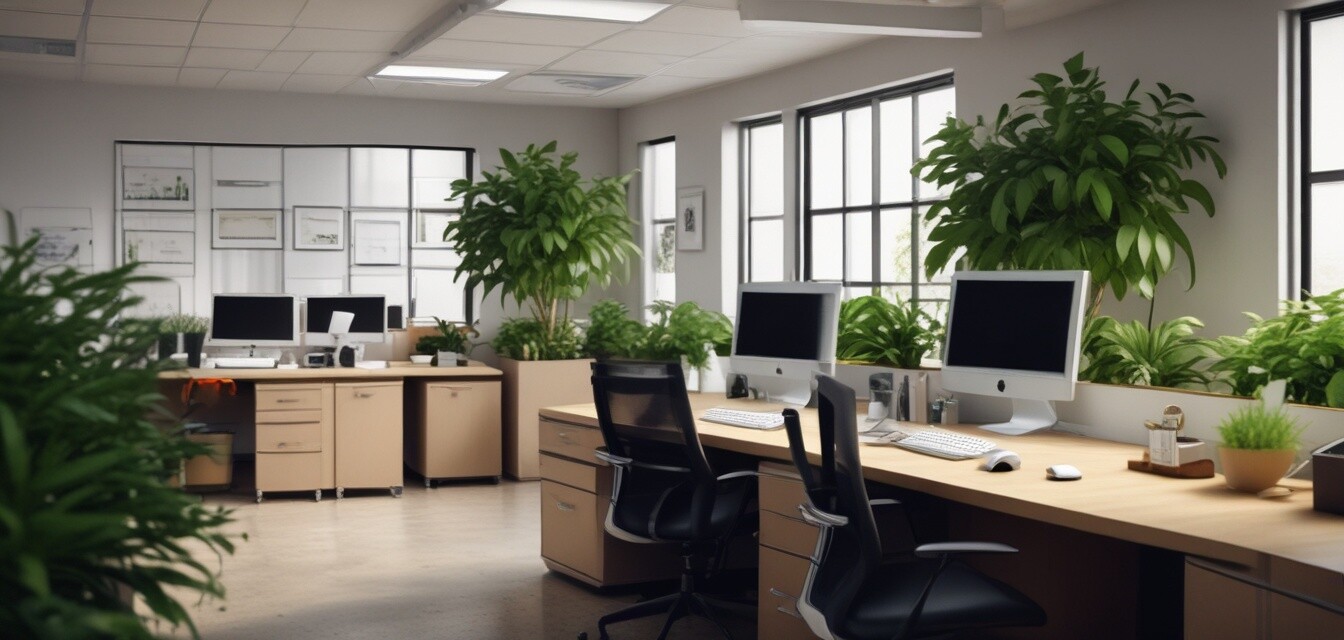
Creating an allergy-friendly work environment
Key Takeaways
- Identify and eliminate common allergens from the workspace.
- Implement regular cleaning routines to reduce allergen levels.
- Create a designated area for breakout sessions or relaxation.
- Ensure proper ventilation and air quality through air purifiers.
- Encourage a culture of awareness and communication about allergens.
In today's fast-paced world, the workplace is where we spend a substantial amount of our time. As seasonal allergies become a common concern, it's crucial for employers and employees to collaborate in creating an allergy-friendly work environment. This guide provides actionable tips that can help minimize allergens, promoting better health and productivity for everyone.
Understanding common workplace allergens
First, let’s recognize common allergens that might be present in a typical office space:
- Dust mites
- Pollen
- Pet dander
- Mold
- Smoke and other airborne pollutants
1. Reduce dust and pollutants
Dust can accumulate rapidly in office environments. Here are some effective strategies for reducing dust:
| Strategy | Description |
|---|---|
| Regular cleaning | Implement a schedule for dusting surfaces, vacuuming carpets, and cleaning blinds. |
| Declutter | Encourage employees to keep desks organized and free of unnecessary items that can trap dust. |
| Use hypoallergenic materials | Choose office supplies and furniture that minimize allergens (like plastic or leather). |
2. Optimize air quality
Proper air quality is essential for preventing allergy symptoms. Here are some recommendations:
- Consider investing in air purifiers that can help filter out allergens from the air.
- Ensure the HVAC system is regularly maintained and equipped with high-efficiency filters.
- Encourage natural ventilation by opening windows when possible to improve airflow.
Creating an inviting workspace
Beyond cleaning and organization, creating a comfortable workspace is important. Here are some tips:
- Incorporate plants known for their air-purifying qualities.
- Provide alternative workspaces, such as quiet zones or outdoor areas when feasible.
- Ensure adequate lighting to create a pleasant atmosphere and reduce eye strain.
3. Encourage flexible work arrangements
Whenever possible, offer flexible work options. This can include:
- Remote work opportunities during peak allergy seasons.
- Flexible hours to accommodate when symptoms may be more manageable.
Promoting awareness and communication
Creating an allergy-friendly environment requires openness. Consider the following strategies:
- Conduct workshops to educate employees about seasonal allergies and their impacts.
- Encourage open communication about allergens and symptoms in the workplace.
- Provide resources for employees to understand what triggers their allergies.
4. Implement a feedback system
Having a simple feedback mechanism allows employees to share their concerns about allergens. Here’s how you can establish one:
- Utilize anonymous surveys to gather insights about allergies in the workplace.
- Regularly discuss collected feedback in team meetings.
Conclusion
Creating an allergy-friendly work environment is not just beneficial for employees suffering from allergies but enhances the overall atmosphere of the workplace. By implementing these strategies, employers can reduce allergens, promote health, and create a more productive and inviting workspace. For more tips on managing allergies effectively, explore our other articles in the Tips and Best Practices section, and discover various allergy-proof bedding options that can enhance your environment.
Pros
- Increases employee satisfaction and well-being.
- Boosts productivity through healthier work conditions.
- Fosters a more supportive workplace culture.
Cons
- Initial costs for implementing changes can be high.
- Some employees may resist changes to their workspace.