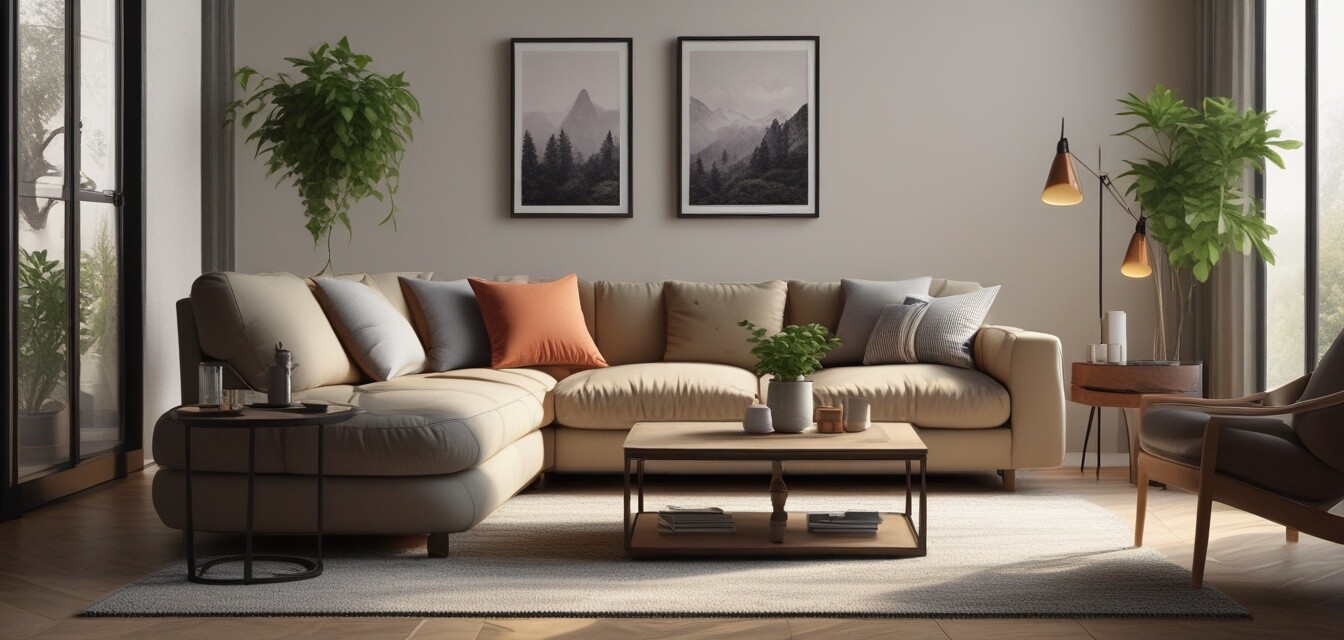
Allergy-Proofing Your Living Room: Tips and Tricks
Key Takeaways
- Regular cleaning is essential to reduce allergens.
- Choose furniture made from non-toxic materials.
- Utilize air purifiers to enhance air quality.
- Implement effective decluttering strategies.
- Regularly maintain your HVAC system.
Transforming your living room into an allergy-proof space involves thoughtful product choices, regular maintenance, and clever decluttering strategies. This article provides effective tips to create a comfortable and safer environment for allergy sufferers. By following these strategies, you can significantly reduce the presence of allergens and enjoy your living space more.
Understanding Common Allergens in Your Living Room
Your living room can be a hotspot for various allergens. Here are some common ones:
- Pollen
- Dust mites
- Pet dander
- Mold spores
- Household chemicals
Effective Tips for Allergy-Proofing Your Living Room
1. Regular Cleaning Routine
Establishing a consistent cleaning schedule is vital in reducing allergens. Here’s a weekly cleaning checklist:
| Day | Task |
|---|---|
| Monday | Dust furniture surfaces and electronics. |
| Wednesday | Vacuum carpets and rugs with a HEPA-filter vacuum. |
| Friday | Wash throw pillows, blankets, and fabric items. |
| Sunday | Clean hard surfaces with a damp cloth and disinfect. |
2. Choose Allergy-Friendly Furniture
When selecting furniture, opt for pieces that are less likely to harbor dust and other allergens:
- Choose leather or faux leather sofas, which are easier to wipe down.
- Consider polyester fabrics that are less absorbent of allergens.
- Use slipcovers that can be washed regularly.
3. Utilize Air Purifiers
Investing in a quality air purifier can greatly improve your living room's air quality. Look for filters with a HEPA rating, which can trap 99.97% of dust and allergens.
4. Decluttering Strategies
A clutter-free environment is essential in reducing allergens. Here are some effective strategies:
- Limit decorative items to minimize dust accumulation.
- Use storage bins to organize magazines, books, and toys.
- Regularly assess and remove items that you no longer use.
5. Maintain Your HVAC System
Ensure that your heating, ventilation, and air conditioning system is working efficiently. Here are some essential tips:
- Change filters every 1-3 months.
- Schedule regular maintenance checks.
- Seal any leaks to improve performance.
Creating an Allergy-Proof Living Room: The Big Picture
Allergy-proofing your living room is a multi-faceted effort, but it can lead to a healthier, more enjoyable home. As you implement these strategies, remember that every small change can make a significant impact.
Pros
- Improved air quality leading to better overall health.
- A more comfortable and inviting living space.
- Reduced allergy symptoms for household members.
Cons
- It may require an initial financial investment for products.
- It takes ongoing effort to maintain an allergy-proof environment.
Final Thoughts
By adopting these tips and strategies for an allergy-proof living room, you can cultivate a healthier and more enjoyable home environment. For more information on products to support allergy management, check out our other resources on air purifiers, allergy-proof bedding, and allergy medications. Living room allergy-proofing is just one step you can take to improve your quality of life. Start today!