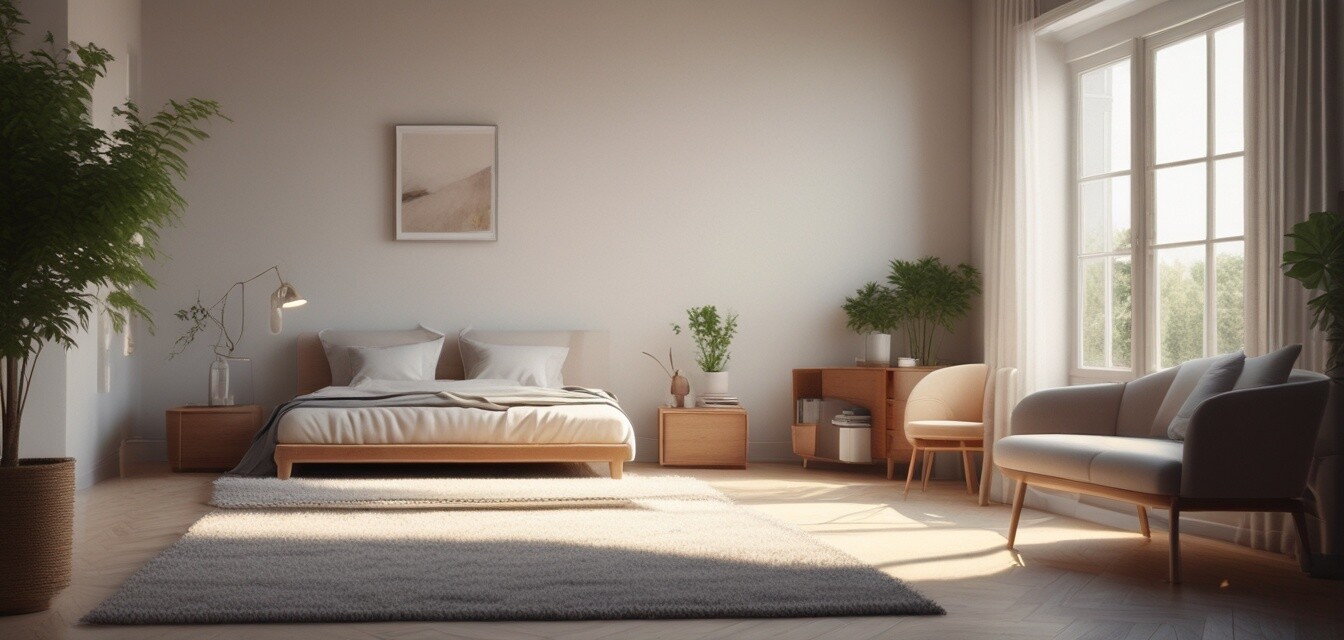
How to Create an Allergy-Safe Bedroom
Creating an allergy-safe bedroom is crucial for ensuring a peaceful night's sleep for allergy sufferers. By making simple changes to your bedroom environment, you can greatly reduce allergens and create a space that promotes better rest. In this article, we'll explore effective strategies for designing an allergy-friendly bedroom.
Key Takeaways
- Use hypoallergenic bedding to reduce dust mites and allergens.
- Incorporate air purifiers to improve air quality.
- Limit clutter and avoid items that trap dust and allergens.
- Regularly clean and maintain your bedroom environment.
- Consider your choice of decor and materials carefully.
Why focus on the bedroom?
The bedroom is where we spend a significant amount of our time, especially during sleep when our bodies can be more sensitive to allergens. It’s crucial to establish a clean and comfortable sleeping environment. Poor air quality and exposure to allergens can exacerbate allergy symptoms, leading to restless nights and disrupted sleep patterns.
Essential steps for creating an allergy-safe bedroom
1. Invest in hypoallergenic bedding
One of the most effective ways to create an allergy-safe bedroom is by using hypoallergenic bedding. This includes pillowcases, mattress protectors, and blankets designed to repel dust mites and allergens.
2. Incorporate air purifiers
Air purifiers are a great addition to any bedroom. They help to filter out allergens such as pollen, dust, and pet dander. Consider placing an air purifier in your bedroom to enhance your air quality.
3. Limit clutter
Clutter can accumulate dust and allergens. Aim to keep your bedroom as clutter-free as possible. This means regularly decluttering surfaces and minimizing decorative items that may collect dust.
4. Regular cleaning routine
Establish a regular cleaning routine for your bedroom. Here are some cleaning tips:
| Task | Frequency |
|---|---|
| Wash bedding | Weekly |
| Dust surfaces | Bi-weekly |
| Vacuum carpets & rugs | Weekly |
5. Choose non-allergenic materials
Your choice of materials can impact your bedroom’s allergen levels. Opt for non-allergenic materials for your furniture and decor. This includes items made from leather or synthetic materials which are easier to clean and do not trap allergens as easily as fabrics.
Additional tips and best practices
- Control humidity levels in your bedroom to prevent mold growth.
- Keep windows closed during high pollen seasons.
- Consider hypoallergenic mats or hardwood floors instead of carpets.
- Wash curtains and blinds regularly to reduce dust accumulation.
- Store clothing in sealed containers to avoid dust buildup.
Conclusion
By following these tips to create an allergy-safe bedroom, you can enhance your sleep quality and health. A little effort goes a long way in reducing allergens and ensuring a restful environment. For more tips on managing seasonal allergies, check out our other articles in the Tips and Best Practices category.
Pros
- Improved sleep quality.
- Reduced allergy symptoms.
- Healthier living environment.
- Long-term comfort and wellbeing.
Cons
- Initial costs for hypoallergenic products.
- Requires consistent cleaning and maintenance.