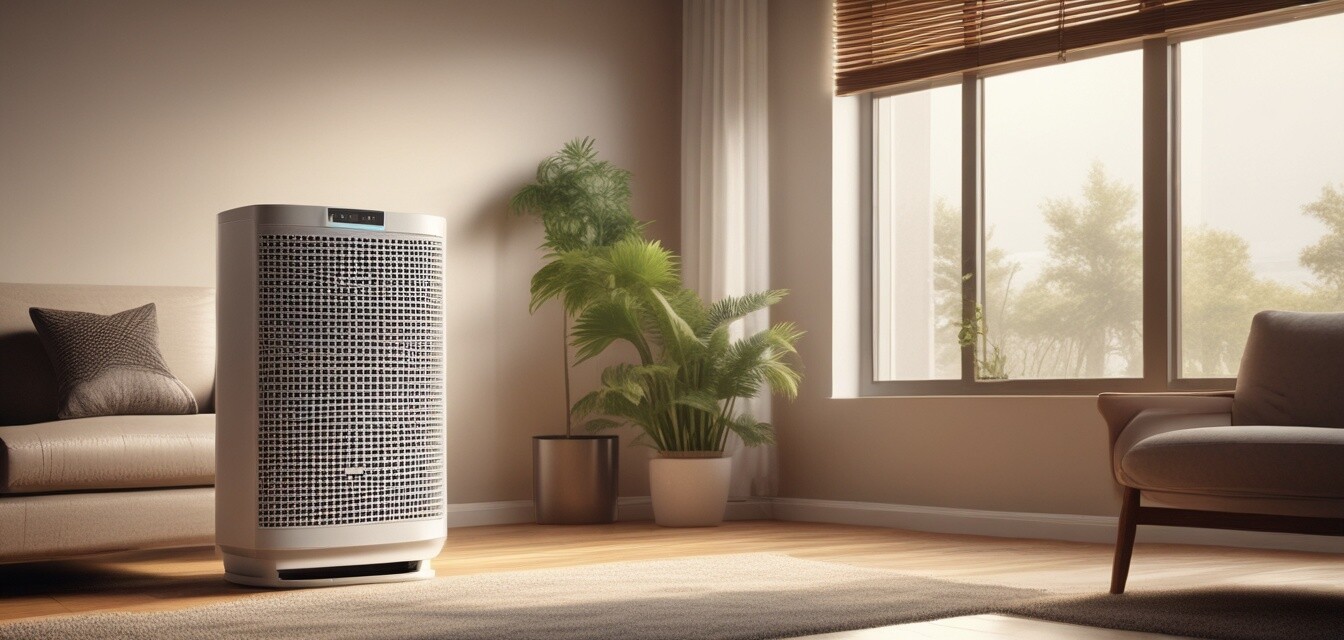
How to choose the right air purifier for your space
Key Takeaways
- Consider your room size to match the air purifier's capacity.
- Evaluate the layout of your space for optimal placement.
- Identify specific allergy triggers to select the best filtration system.
- Research additional features like noise levels and maintenance requirements.
- Review product specifications carefully to ensure compatibility.
Choosing the right air purifier can transform your indoor environment, especially during allergy seasons. It’s essential to select a unit that suits your specific needs and space. This guide will elaborate on identifying the appropriate air purifier based on room size, layout, and allergy requirements.
Understanding air purifiers
Air purifiers are devices designed to remove contaminants from the air, making it cleaner and safer to breathe. They can alleviate symptoms for those suffering from seasonal allergies and enhance overall air quality. Before diving into the selection process, familiarize yourself with how air purifiers work.
Types of air purifiers
| Type | Description | Best for |
|---|---|---|
| HEPA Filters | High Efficiency Particulate Air filters capture small particles. | Allergy and asthma sufferers. |
| Activated Carbon Filters | Removes odors and gaseous pollutants. | Homes with strong smells or VOCs. |
| UV Light Purifiers | Uses ultraviolet light to kill airborne bacteria and viruses. | Health-conscious individuals. |
| Ionizers | Charges particles in the air, causing them to settle on surfaces. | Smaller indoor spaces with minimal dust. |
Choosing based on room size
The first step in selecting the right air purifier involves understanding your room size. The air purifier's Clean Air Delivery Rate (CADR) must match the area of your space.
Here’s how to match CADR to room size:
| Room Size (sq. ft.) | Recommended CADR (cfm) |
|---|---|
| Small (up to 150) | 50+ |
| Medium (150 - 300) | 150+ |
| Large (300 - 600) | 300+ |
| Extra Large (600+) | 500+ |
Considering your space layout
After assessing room size, consider the layout for your air purifier placement. Positioning is critical in ensuring optimal air circulation.
Placement tips
- Keep the purifier away from walls and furniture for better airflow.
- Place it in the central area of the room for maximum reach.
- Avoid placing it in corners or obstructed areas.
- Use multiple units for larger or uniquely shaped spaces.
Addressing specific allergy needs
Understanding your allergy triggers is vital in selecting an air purifier. Different technologies target specific pollutants.
- For pet dander, a HEPA filter is essential.
- For smoke, consider activated carbon filters.
- For pollen, HEPA combined with pre-filters is a great choice.
Evaluating additional features
Before finalizing your air purifier choice, consider these additional features that may enhance your experience:
- Noise Level: Look for "silent" or "whisper" settings if you prefer a quieter environment.
- Filter Replacement Indicator: This feature alerts you when it’s time to change filters.
- Portability: If you plan to move it around, choose a lightweight model with handles.
- Smart Technology: Some units come with app controls and air quality indicators.
Pros
- Improves indoor air quality.
- Reduces allergy-related symptoms.
- Can eliminate odors and reduce respiratory irritations.
Cons
- Maintenance costs for filter replacement.
- Some units can be noisy, depending on fan speed.
- Initial investment can be high.
Conclusion
Selecting the right air purifier can greatly enhance your indoor air quality and improve your allergy management. By taking into account room size, layout, specific allergies, and additional features, you can make an informed choice suited to your needs. For more tips on enhancing your living space during allergy season, check out our Tips and Best Practices section or explore our Air Purifiers page to see some options to consider!