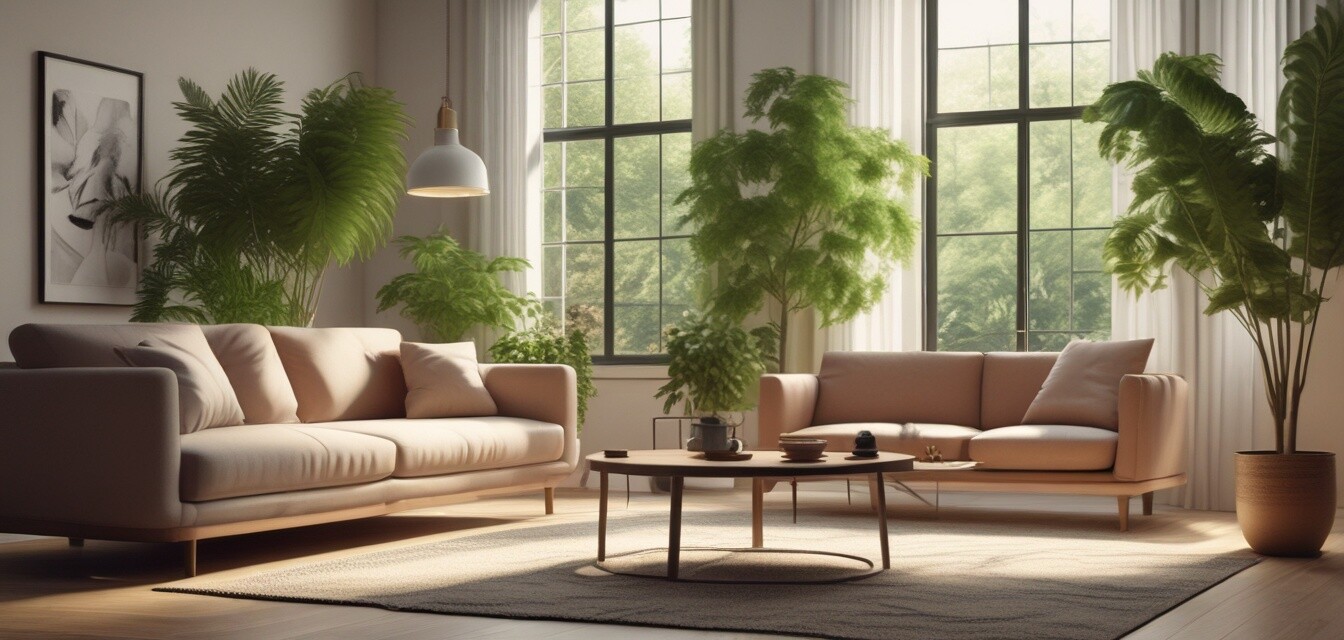
Crafting an Allergy-Safe Home: Essential Modifications
- Focus on using hypoallergenic materials in home furnishings.
- Implement effective cleaning routines to reduce allergens.
- Maximize air quality with air purifiers.
- Choose allergen-proof bedding and accessories.
- Create a clutter-free living environment for better airflow.
Creating a home that is safe and comfortable for those dealing with seasonal allergies involves many thoughtful modifications. By making strategic choices in materials, cleanliness, and organization, you can significantly reduce allergen exposure in your living space. This guide provides essential modifications needed to craft an allergy-safe home.
1. Use hypoallergenic materials
Choosing materials that are less likely to harbor allergens is the first step toward an allergy-safe home. Here are some materials to consider:
| Material Type | Benefits |
|---|---|
| Hypoallergenic bedding | Limits dust mites and other allergens. |
| Microfiber cloths | Effective for cleaning while minimizing dust. |
| Hardwood or tile floors | Less likely to trap allergens compared to carpets. |
| Natural fabric curtains | Use materials like cotton or linen over synthetic options. |
2. Air quality control
Improving indoor air quality is crucial for allergy sufferers. Consider these actions:
- Invest in high-efficiency particulate air (HEPA) filters for your air purifiers.
- Keep windows closed during high pollen days to reduce outdoor allergens.
- Utilize exhaust fans in kitchens and bathrooms to combat moisture.
- Regularly change HVAC filters to ensure clean air circulation.
3. Effective cleaning routines
Regular cleaning is essential for maintaining an allergy-friendly home. Here are some tips for a successful cleaning routine:
- Dust and vacuum at least once a week using a vacuum with a HEPA filter.
- Wash bedding and curtains frequently using hot water to eliminate dust mites.
- Minimize clutter to reduce dust accumulation.
- Use damp cloths rather than dry dusters to trap dust effectively.
4. Smart organization
Organizing your living space can also make it more allergy-friendly. Consider these suggestions:
- Store books and other items in closed cabinets.
- Limit the number of decorative items that collect dust.
- Use storage bins to keep items organized and dust-free.
- Keep shoes out of the living areas to avoid bringing in outdoor allergens.
5. Allergen-proof bedding and accessories
Investing in allergen-proof bedding can drastically reduce nighttime allergy symptoms. This includes:
| Item | Description |
|---|---|
| Allergen-proof mattress covers | These encase the mattress to keep allergens at bay. |
| Pillow protectors | Reduce dust mite exposure and enhance comfort. |
| Washable blankets | Choose fabrics that can withstand frequent washing. |
6. Create a clutter-free environment
Clutter can trap dust and allergens, so keeping your home decluttered is vital:
- Regularly evaluate items and remove anything that is no longer needed.
- Implement a “one-in, one-out” rule for new purchases.
- Create designated areas for items to remain organized.
7. Explore outdoor adjustments
Your outdoor space can also contribute to a healthier indoor environment. Here's what you can do:
- Choose low-allergen plants for landscaping.
- Avoid heavy mulch that can attract allergens.
- Limit outdoor activities during high pollen seasons.
- Consider paving materials for walkways that reduce dust and allergens.
Conclusion
Implementing these modifications can lead to a significant reduction in allergens within your home. A few thoughtful changes can create a more allergy-safe living environment, allowing you to breathe easier and enjoy your home lifetime.
Pros
- Improved air quality.
- Reduction in allergen levels.
- Enhanced comfort in your living space.
Cons
- Initial investment in hypoallergenic products may be higher.
- Requires ongoing commitment to cleaning and organization.
By embracing these actionable steps, you can take significant strides toward creating a healthier home. For more information on improving your living space, consider checking out our guide on buying allergy-friendly products, or explore our tips on air purifiers to enhance indoor air quality.