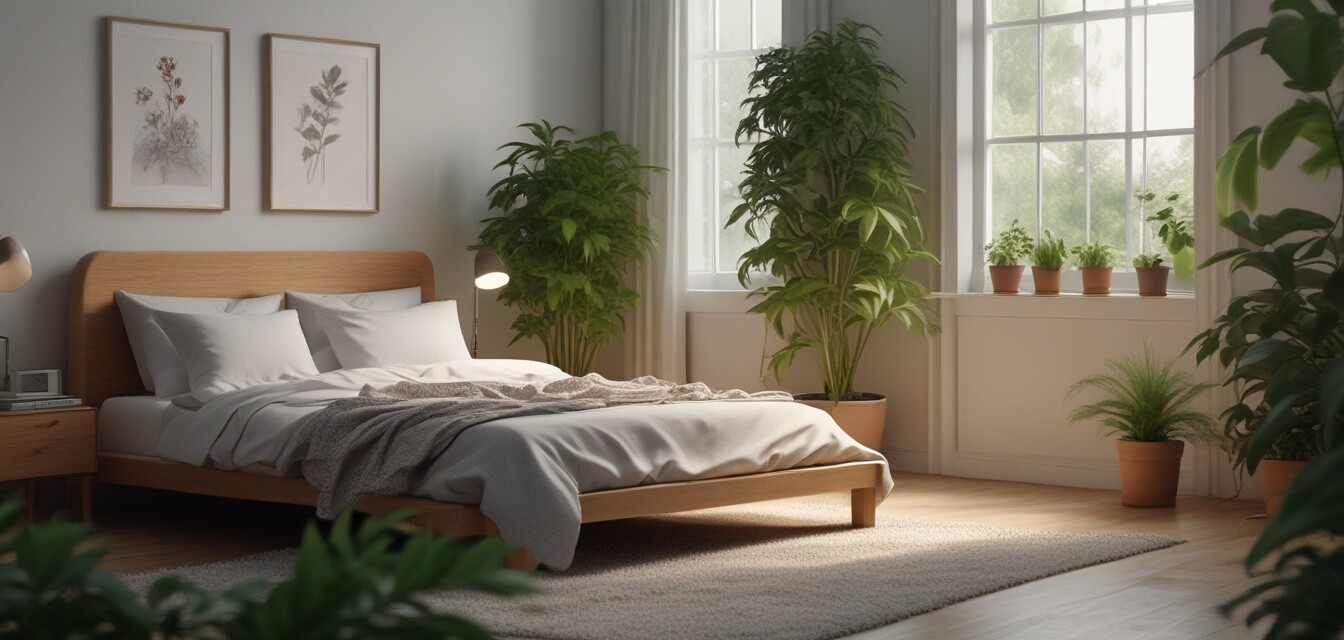
Daily routines to minimize allergies
Key Takeaways
- Establish consistent cleaning routines to reduce dust and allergens.
- Invest in quality air purifiers and keep them maintained.
- Limit outdoor activities during high pollen count days.
- Incorporate allergy-proof bedding for better sleep quality.
- Stay informed about seasonal trends to adapt routines accordingly.
Living with seasonal allergies can be a challenge, but establishing simple daily routines can significantly reduce your exposure to allergens. This article presents practical strategies that you can implement in your everyday life to help alleviate the discomfort related to allergies. From cleaning practices to lifestyle adjustments, these tips will empower you to take control of your environment and improve your quality of life.
Essential daily routines for allergy management
Incorporating certain practices into your daily routine can help keep allergens at bay. Below are some actionable strategies that can make a difference:
1. Maintain a regular cleaning schedule
One of the most effective ways to minimize allergens is through regular cleaning. Aim to establish a cleaning routine that addresses common sources of allergens:
| Area | Cleaning Frequency | Cleaning Tasks |
|---|---|---|
| Floors | 2-3 times a week | Vacuum and mop |
| Bedding | Once a week | Wash in hot water |
| Surfaces | Daily | Dust with damp cloth |
| Air filters | Every month | Replace or clean |
2. Use air purifiers effectively
Investing in a quality air purifier can significantly reduce airborne allergens in your home. Here are some tips to maximize its effectiveness:
- Choose an air purifier with a HEPA filter.
- Keep windows closed when pollen levels are high.
- Run the air purifier continuously for best results.
- Replace filters as recommended by the manufacturer.
For more details on air purifiers, check our detailed guide.
3. Monitor pollen levels and outdoor activities
Be aware of the pollen forecast in your area to better plan outdoor activities:
- Avoid outdoor exercise on high pollen days.
- Wear sunglasses and a hat to protect your eyes.
- Shower and change clothes after outdoor activities.
- Track seasonal changes and adjust routines as needed.
4. Create an allergy-proof home environment
Making your home allergen-free can provide relief, especially during allergy season:
- Utilize allergy-proof bedding to prevent dust mite exposure.
- Opt for hard surfaces instead of carpets wherever possible.
- Use curtains that can be washed easily.
- Keep windows closed and use air conditioning.
To learn more about allergy-proof bedding, visit our bedding section.
5. Stay informed
Staying updated on seasonal trends can help you adapt your routines effectively:
- Check local allergy reports regularly.
- Follow allergy experts on social media for updates.
- Engage with online forums for community tips and support.
Additional tips for managing allergies
Here are some extra strategies that may help in minimizing allergic reactions:
Beginner's tips
- Keep windows closed during high-pollen seasons.
- Use a dehumidifier in damp areas.
- Consider nasal saline rinses to clear allergens.
- Maintain a balanced diet to bolster your immune system.
Final thoughts
Using these daily routines not only helps in managing seasonal allergies but can also contribute to a healthier lifestyle overall. By implementing consistent cleaning schedules, using air purifiers, monitoring outdoor conditions, and staying informed, you can shield yourself from allergies. For more comprehensive strategies, see our articles on buying guides and other best practices in allergy management.
Pros
- Reduces allergen exposure.
- Improves overall health and comfort.
- Can enhance sleep quality.
- Increases awareness of environmental factors.
Cons
- Requires commitment and consistency.
- May require investment in equipment.
- Initial adjustments may be challenging.