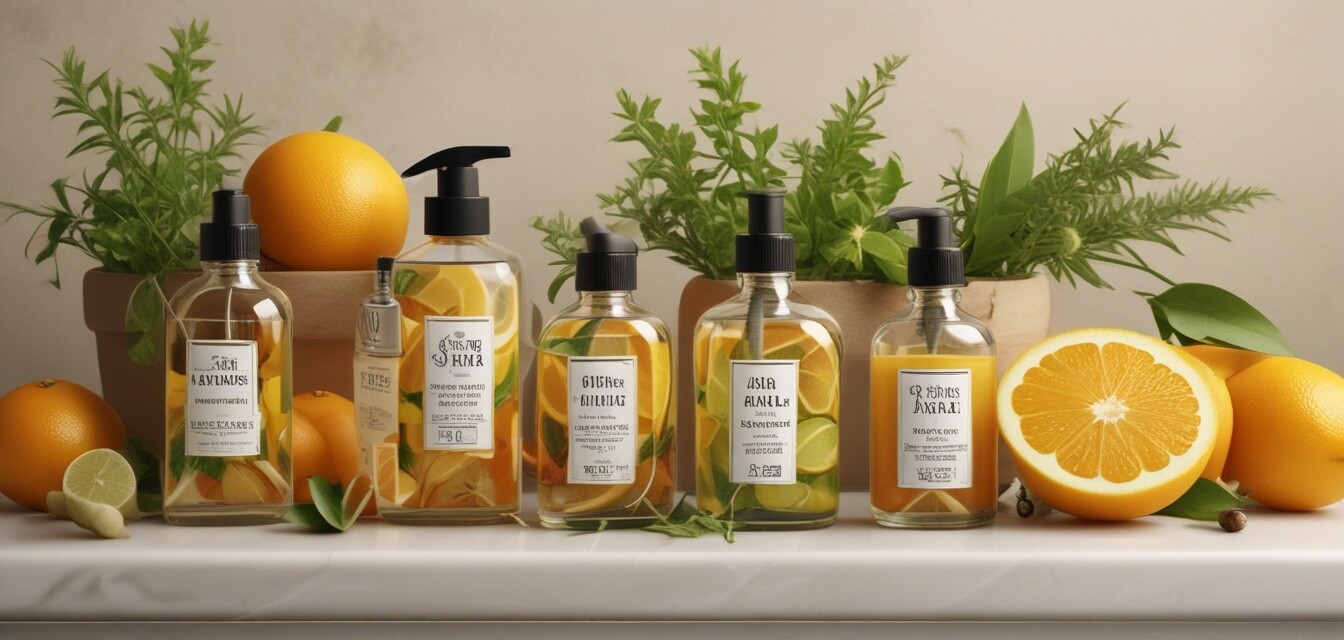
DIY Air Fresheners: Natural Alternatives for Allergy Sufferers
Key Takeaways
- Natural air fresheners can reduce allergens in your home.
- Common ingredients include essential oils, citrus fruits, and herbs.
- DIY recipes are easy to follow and cost-effective.
- Using natural products promotes a healthier living space.
- Maintaining clean air can enhance well-being for allergy sufferers.
Seasonal allergies can be a burden, and managing indoor air quality is a crucial part of alleviating symptoms. While many air fresheners contain chemicals that can aggravate allergies, there are natural alternatives that can keep your home smelling fresh without introducing harmful substances. In this guide, we will explore how to make your own air fresheners using accessible ingredients.
Why Choose Natural Air Fresheners?
Natural air fresheners provide a safe solution for those sensitive to strong fragrances or chemicals. They create a pleasant atmosphere while ensuring your indoor air quality remains unaffected. Here are some reasons to make the switch:
- Less irritants in the air.
- Eco-friendly options.
- Chemical-free ingredients.
- Customizable scents based on personal preference.
Essential Ingredients for DIY Air Fresheners
Creating your own air freshener can be as simple or complex as you wish. Here are some essential ingredients that work well to create refreshing scents:
| Ingredient | Use | Benefits |
|---|---|---|
| Essential Oils | Adding scent | Provides fresh fragrances; can have calming effects. |
| Citrus Fruits | Infusing scent | Bright and uplifting scents; natural antibacterial properties. |
| Herbs | Creating a fresh aroma | Refreshing and invigorating; can combat odors. |
| Vinegar | Neutralizing odors | Effective natural deodorizer; fights mildew. |
| Water | Diluting solutions | Helps to evenly distribute scents when used in sprays. |
Simple Recipes for DIY Air Fresheners
Below are some easy recipes to get you started on making your own air fresheners.
Citrus and Mint Spray
- 2 cups of water
- 1 tablespoon of vinegar
- 20 drops of lemon essential oil
- Fresh mint leaves
Combine all ingredients in a spray bottle and shake well before use. Spray around the room to create a refreshing atmosphere!
Lavender Infused Room Spray
- 2 cups of water
- 10 drops of lavender essential oil
- 1 tablespoon of vodka or rubbing alcohol
Mix together in a spray bottle. Use as needed to soothe and calm your space.
Herb and Citrus Potpourri
- Dried orange peels
- Fresh rosemary
- Lavender flowers
- Cloves
Combine all ingredients in a bowl for a natural potpourri that can be set around your home for continuous scent.
Tips for Enhancing Your Air Quality
Tips for Beginners
- Keep your home clean; dust and vacuum regularly to minimize allergens.
- Use air purifiers to complement your DIY air fresheners. Check out our guide on air purifiers for more information.
- Open windows when possible to encourage fresh air circulation.
- Experiment with different essential oils to find your favorite scents.
- Store DIY fresheners in cool areas to maintain their scent longer.
Storing Your DIY Air Fresheners
Proper storage is essential to maintaining your homemade air fresheners. Here are some tips:
- Use dark glass bottles for sprays to protect oils from sunlight.
- Label your mixtures with the date and ingredients used.
- Store away from heat sources to prevent degradation.
Conclusion
Using natural air fresheners is a simple and effective way to create a more pleasant living environment without worsening your allergy symptoms. By opting for DIY solutions, you not only control the ingredients used but also contribute to a healthier home. Explore our other articles on tips and best practices for more ways to improve indoor air quality.
Pros
- Cost-effective compared to store-bought air fresheners.
- Freedom to customize scents to personal preference.
- No harsh chemicals or irritants.
- Stir creativity and involvement in your living space.
Cons
- May require regular reapplication to maintain scent.
- Some scents may not be as strong as commercial products.
- Possible allergic reactions to specific natural ingredients.