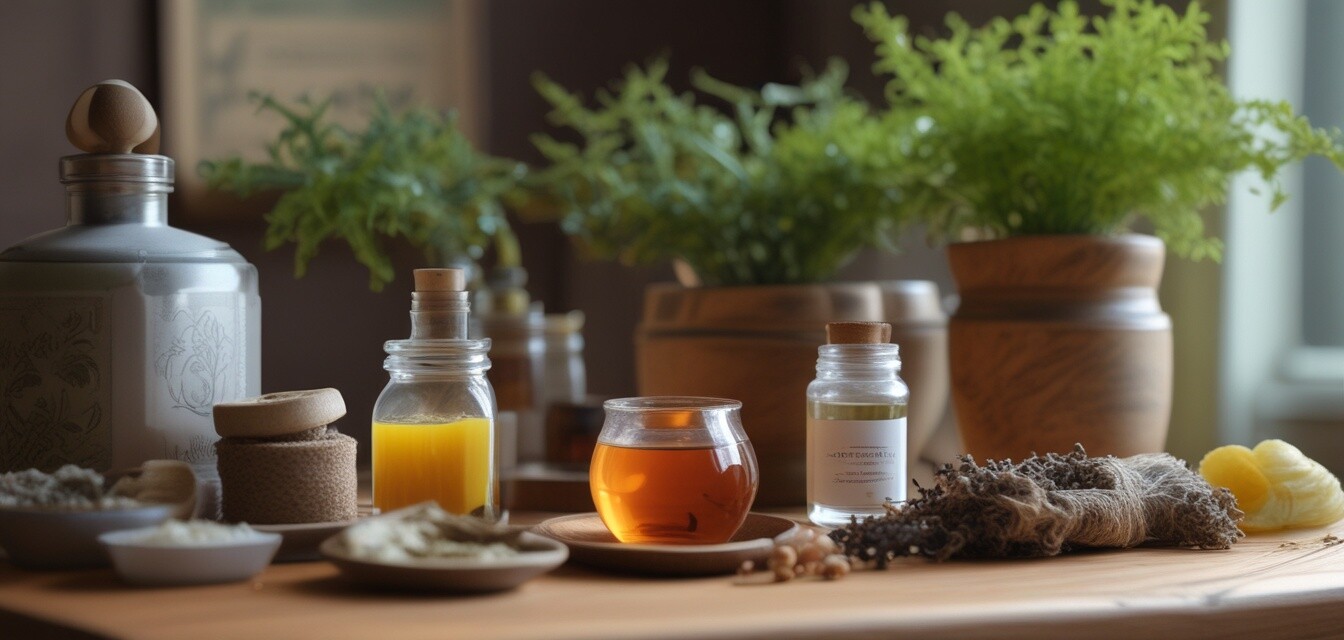
Simple DIY Remedies for Seasonal Allergies
Key Takeaways
- Diy remedies such as herbal teas and essential oils can provide relief.
- Simple household ingredients can be effective in alleviating symptoms.
- Creating a calm, organized home can help minimize allergy triggers.
- Incorporating specific cleansing routines may improve indoor air quality.
- Staying informed about seasonal patterns can enhance preparation.
Seasonal allergies can be a nuisance, impacting day-to-day life and overall well-being. Fortunately, simple do-it-yourself (DIY) remedies can alleviate some of those pesky symptoms. From herbal teas to calming salves, there are numerous approaches to ease your discomfort. In this article, we’ll explore some effective, easy-to-make remedies that require minimal effort.
Understanding Seasonal Allergies
Seasonal allergies occur when your immune system reacts to allergens such as pollen, mold, or dust. Symptoms can include sneezing, itching, a runny nose, and watery eyes. By integrating simple solutions into your lifestyle, you can mitigate these discomforts and enhance your quality of life.
Herbal Teas for Relief
Herbal teas can be a comforting and natural remedy for allergy symptoms. Here are a couple of recipes:
- Chamomile tea: Known for its soothing properties, chamomile can help calm your respiratory system. Brew a tea bag in hot water for 5-10 minutes.
- Peppermint tea: This invigorating tea can help open nasal passages. Add fresh peppermint leaves to hot water and steep for 5 minutes.
Benefits of Herbal Teas
| Herbal Tea | Benefits |
|---|---|
| Chamomile | Soothes respiratory irritation |
| Peppermint | Helps open nasal passages |
| Lemon Balm | Reduces anxiety and promotes calmness |
| Ginger | Anti-inflammatory properties |
Soothing Salves
Creating your own salves can target skin irritations or soothe other areas affected by allergies. Here’s a basic recipe:
- Gather ingredients: coconut oil, beeswax, and essential oils (like lavender or eucalyptus).
- Melt 1 cup of coconut oil and 1/4 cup of beeswax in a double boiler.
- Add 10-15 drops of your preferred essential oil.
- Pour the mixture into small containers and allow it to cool.
- Apply as needed to irritated or inflamed areas.
Essential Oils for Seasonal Allergies
Essential oils can effectively ease symptoms. Specific oils like eucalyptus and lavender are popular options. Avoid using essential oils directly on the skin without a carrier oil to prevent irritation.
Tips for a Comfortable Home Environment
- Regular Cleaning: Keeping your home clean and dust-free can help minimize allergens.
- Invest in Air Purifiers: Consider using air purifiers to reduce airborne allergens.
- Allergy-proof Bedding: Utilize allergy-proof bedding to create a safe sleeping environment.
- Keep Windows Closed: During high pollen days, keep windows closed to prevent allergens from entering.
Food and Lifestyle Choices
Certain dietary and lifestyle adjustments can positively influence how your body reacts to allergens. Here are some suggestions:
- Incorporate anti-inflammatory foods such as leafy greens, nuts, and fish in your diet.
- Stay hydrated to help your body flush out allergens.
- Practice daily exercise to increase lung capacity and support immune function.
Understanding the Allergy Calendars
Keeping track of seasonal allergens can also enable you to prepare. Here’s a brief guide on common allergy seasons:
| Season | Common Allergens |
|---|---|
| Spring | Pollen from trees and flowers |
| Summer | Pollen from grasses |
| Fall | Pollen from weeds |
| Winter | Indoor allergens like dust and mold |
Conclusion
Managing seasonal allergies can be challenging, but with a little effort and creativity, DIY remedies can provide significant relief. From herbal teas to soothing salves, these simple solutions can enhance your daily routine. Remember to stay informed, keep your environment clean, and consider a holistic approach for the best outcomes.
Pros
- Natural ingredients reduce reliance on over-the-counter medications.
- DIY remedies can be customized based on individual preferences.
- Promotes self-care and empowers individuals to take control.
Cons
- May not provide the same immediate relief as medications.
- Some individuals may have allergic reactions to natural ingredients.