
Tips for Effectively Using Nasal Sprays for Allergies
Key Takeaways
- Correct usage of nasal sprays enhances effectiveness.
- Choose the right type of nasal spray for your symptoms.
- Overuse can lead to rebound congestion.
- Regular maintenance of nasal hygiene is crucial.
- Consulting with healthcare professionals for personalized advice is recommended.
Managing seasonal allergies can be frustrating, especially when symptoms interfere with your daily activities. One of the most effective ways to alleviate these symptoms is through nasal sprays. This article provides detailed guidance on how to properly use nasal sprays for maximum effectiveness while avoiding the pitfalls of overuse.
Understanding Nasal Sprays
Nasal sprays come in various forms, including decongestants, corticosteroids, saline sprays, and antihistamines. Each type has a specific purpose and is designed to relieve different allergy symptoms.
| Type of Nasal Spray | Purpose | Key Features |
|---|---|---|
| Decongestants | Reduce nasal congestion | Fast acting, can cause rebound congestion if overused |
| Corticosteroids | Reduce inflammation | Requires consistent use for full benefit |
| Saline Sprays | Moisten nasal passages | Safe for regular use, helps clear allergens |
| Antihistamines | Combat allergy symptoms | Helps stop sneezing and runny nose |
How to Use Nasal Sprays Effectively
- Read the Instructions: Always read the instructions provided with your nasal spray. Different sprays have unique guidelines.
- Blow Your Nose: Gently clear your nostrils to ensure the spray reaches deep into your nasal cavity.
- Position Properly: Tilt your head slightly forward. Hold the spray bottle upright and insert the nozzle into the nostril.
- Aim Correctly: Aim the nozzle away from the center of your nose toward the outer wall of your nostril.
- Press and Breathe: While pressing down on the pump, breathe in deeply through your nose to ensure proper absorption.
- Repeat: For the other nostril, repeat the same process.
Product Recommendations
Using high-quality nasal sprays can greatly enhance your allergy relief. Below are two popular products that many users have found effective:
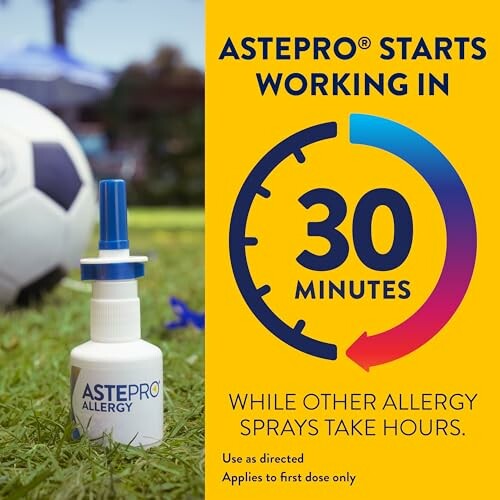 Top Choice
Astepro Nasal Spray
Experience 24-hour allergy relief with Astepro. Steroid-free and fast-acting, it effectively combats nasal congestion, runny, and itchy nose.
Learn MorePreventing Overuse of Nasal Sprays
Overusing nasal sprays, especially decongestants, can lead to rebound congestion. Here are some tips to prevent overuse:
- Limit decongestant use to a few days at a time.
- Use saline sprays for long-term treatment without the risk of rebound effects.
- Set reminders to use your sprays regularly, thus avoiding the urge to use them too often.
Maintaining Nasal Hygiene
Keeping your nasal passages clean can help enhance the effectiveness of nasal sprays. Follow these tips:
- Consider using a saline rinse to flush out pollen and dust.
- Stay hydrated to maintain moisture in your nasal membranes.
- Avoid irritants such as smoke and strong fragrances.
The Role of Bedding in Allergy Management
Your sleeping environment plays a crucial role in allergy management. Make sure to protect your bedding from allergens.
 Essential Item
Allersoft Cotton Duvet Protector
Ensure a peaceful night’s sleep with this breathable, woven duvet protector that blocks dust, pollen, and pet dander.
Learn MoreConsulting Healthcare Professionals
When in doubt, it’s always wise to consult a healthcare professional who can provide tailored advice based on your specific allergic conditions and lifestyle. You can also refer to our Understanding Seasonal Allergies resource for more information.
Tips for Beginners
If you’re new to using nasal sprays, consider these beginner tips:
- Start with a saline spray to get accustomed to using a nasal spray.
- Practice the correct technique by observing videos or demonstrations.
- Keep your nasal spray away from direct sunlight and moisture to maintain its effectiveness.
Conclusion
Using nasal sprays effectively can make a significant difference in managing seasonal allergies. By understanding how to use them properly, maintaining nasal hygiene, and choosing the right products, you'll enhance your quality of life during allergy season. Always remember to consult with healthcare professionals whenever necessary to ensure you're on the right track.