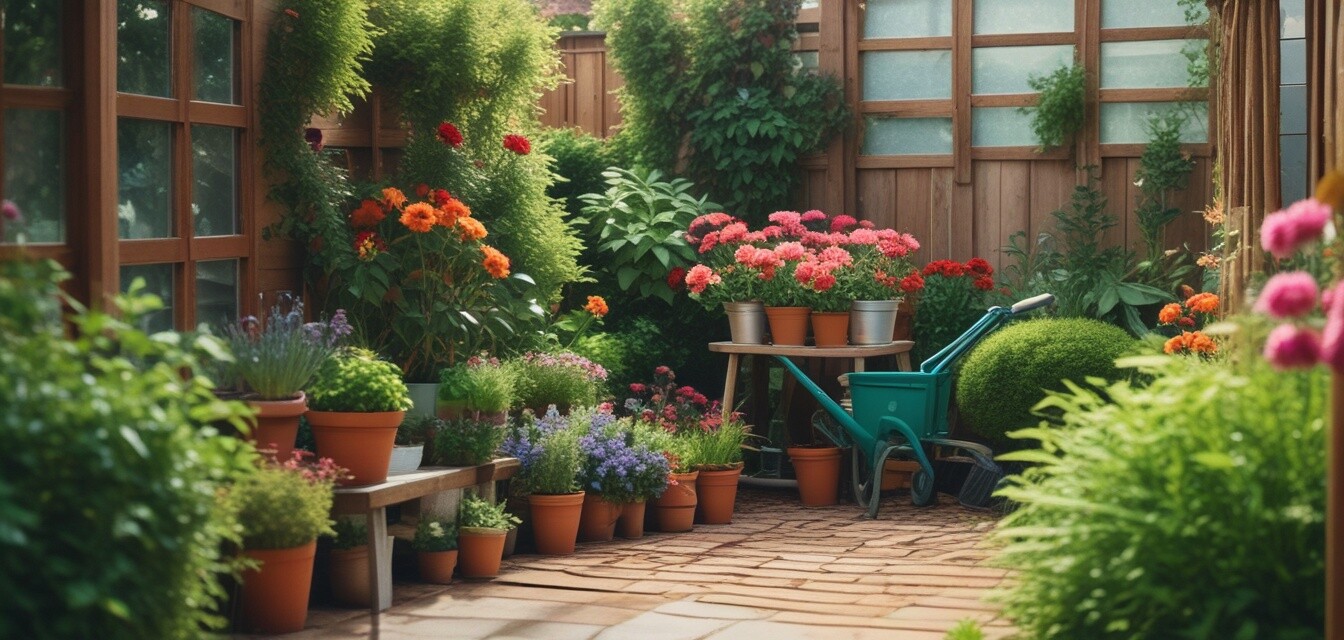
How to handle allergies while gardening
Key Takeaways
- Choose low-pollen and hypoallergenic plants.
- Utilize tools designed for allergy sufferers.
- Implement proper gardening techniques to reduce exposure to allergens.
- Maintain a clean gardening environment to minimize allergens.
- Stay informed about pollen counts and gardening best practices.
Gardening can be a rewarding and relaxing hobby, but for those with seasonal allergies, it can also present challenges. With the right preparations and techniques, you can enjoy the beauty and benefits of gardening while managing your allergy symptoms effectively. In this article, we will cover the best practices that can help allergy sufferers cultivate their green thumbs without compromising their well-being.
Understanding allergies and gardening
Allergies are the immune system's response to certain substances, known as allergens. In the gardening context, these can include pollen from plants, mold from soil, and even dust from gardening tools. Here are some common allergens you may encounter while gardening:
- Pollen from flowers and grasses
- Mold and mildew in damp soil
- Dust from soil and tools
Selecting allergy-friendly plants
One of the most effective ways to manage allergies while gardening is to select plants that produce less pollen. Here’s a table of allergy-friendly plants to consider:
| Plant Type | Notes |
|---|---|
| Roses | Beautiful blooms with minimal pollen |
| Hydrangeas | Soft, large flowers; low allergy risk |
| Boxwood | Evergreen shrub with low pollen production |
| Ornamental grasses | Choose clumping varieties that produce less pollen |
| Ferns | Great for shade and create minimal allergen issues |
Best gardening practices for allergy sufferers
To further reduce your exposure to allergens, implementing specific gardening techniques can be beneficial:
- Gardening in the early morning or late afternoon when pollen counts are lower.
- Wearing a mask and sunglasses to filter out allergens.
- Using tools with long handles to avoid bending over and disturbing areas that may harbor mold or pollen.
- Encouraging a barrier between yourself and allergenic plants, such as using raised beds.
Creating an allergy-friendly garden space
Your gardening environment plays a crucial role in managing allergies. Here are some strategies to maintain a clean and safe space:
- Regularly sweep and clean your garden area to remove dust and debris.
- Store gardening tools in a clean, dry place to avoid mold buildup.
- Keep the garden well-watered to prevent dust from becoming airborne.
- Cover your compost pile to restrict mold and other allergens from spreading.
Utilizing the right gardening tools
Investing in tools designed for allergy sufferers can significantly improve your gardening experience. Consider the following:
Pros
- Reduced exposure to allergens.
- Increased comfort while gardening.
- Promotes prolonged gardening sessions.
Cons
- Potential higher cost of specialized tools.
- Learning curve with new equipment.
Staying informed about pollen counts
Monitoring local pollen counts is essential for planning your gardening activities. Resources such as the National Allergy Bureau can provide valuable information about pollen levels in your area. Using this information, you can optimize your gardening schedule to minimize exposure to allergens.
Conclusion
Gardening can be an enjoyable activity, even for those with seasonal allergies. By choosing the right plants, employing effective gardening techniques, and maintaining a clean environment, you can create a flourishing garden that enhances your outdoor experience while keeping allergens at bay. Remember to stay informed about local pollen counts and adjust your gardening practices accordingly!
Tips for beginners
- Start small: Consider a few pots on a balcony rather than an entire garden bed initially.
- Research plants: Always check which plants best suit your area's climate and your allergy needs.
- Seek help: Don't hesitate to ask for advice from gardening groups or local classes.