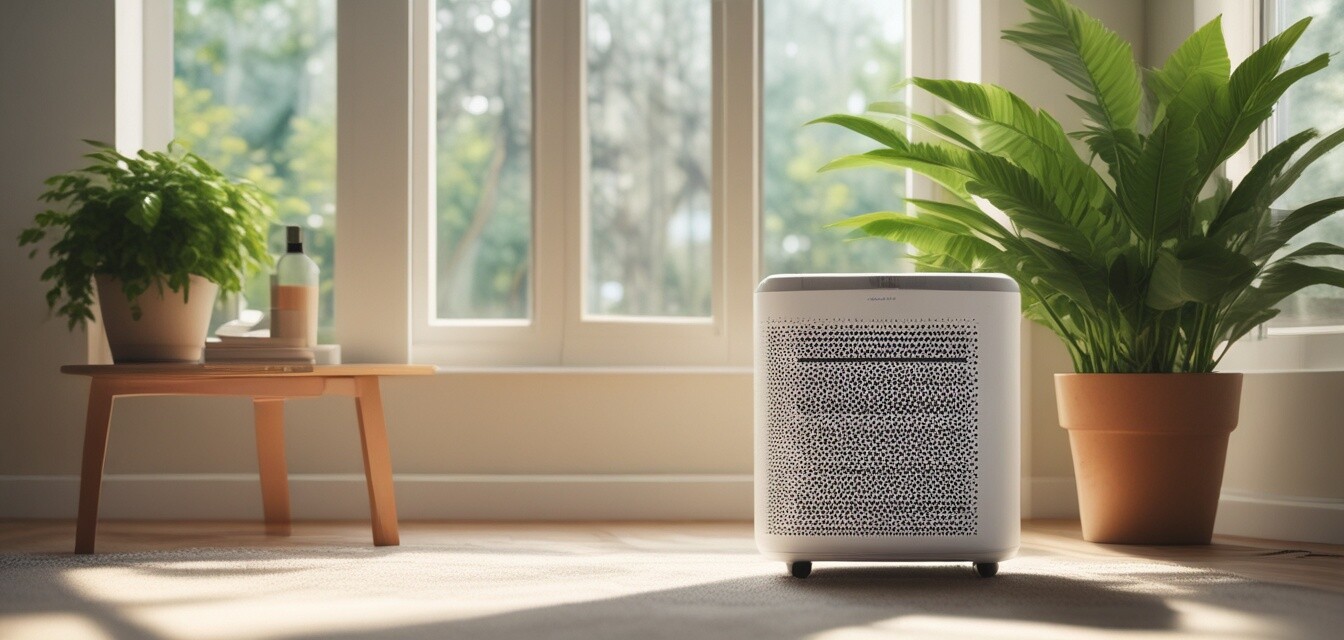
Integrating Air Purifiers into Your Daily Routine
Key Takeaways
- Air purifiers can significantly reduce allergens in your home.
- Establishing a cleaning and usage routine enhances effectiveness.
- Placement is crucial for optimal air circulation and filtration.
- Regular maintenance ensures longevity and maximum efficiency.
- Combine air purifiers with other allergy management strategies for best results.
Integrating air purifiers into your daily routine can have a profound impact on reducing allergens and enhancing your well-being. These devices work silently, providing cleaner air while you focus on your daily tasks. In this article, we will explore practical ways to seamlessly include air purifiers in your life, thereby maximizing their impact on your indoor air quality.
Understanding the Benefits of Air Purifiers
Air purifiers serve various functions that can greatly contribute to your comfort and health at home. Here are some noteworthy benefits:
- Remove airborne allergens such as pollen, dust, and pet dander.
- Eliminate odors from cooking, pets, and dust.
- Reduce irritants like smoke and volatile organic compounds (VOCs).
- Improve overall indoor air quality for a healthier living environment.
Optimizing Air Purifier Placement
The placement of your air purifier can determine its effectiveness. Here are some recommended strategies for optimal positioning:
| Room Type | Placement Tips |
|---|---|
| Living Room | Place near seating areas and away from walls for air circulation. |
| Bedroom | Position close to the bed, preferably 6-8 feet away for best night time benefits. |
| Office | Set it on your desk or the corner of the room to purify the air you breathe. |
| Kitchen | Near cooking appliances to tackle cooking odors and particles. |
Establishing a Daily Cleaning Routine
Incorporating air purifiers into your routine without proper maintenance may reduce their efficiency. Here’s a simple cleaning routine to follow:
- Check and clean the pre-filter weekly.
- Replace the HEPA filter monthly or according to manufacturer guidelines.
- Wipe down the exterior and air intake grills to prevent dust build-up.
Combining Strategies for Enhanced Effectiveness
While air purifiers are effective on their own, combining them with other allergy management practices can yield better results. Some strategies include:
- Regular vacuuming with a HEPA filter vacuum cleaner.
- Using allergen-proof bed covers.
- Limiting indoor plants that may harbor mold.
- Airing out spaces during low pollen hours.
Integrating Air Purifiers into Your Lifestyle
Here are some creative ways to incorporate air purifiers into various aspects of your daily life:
| Daily Activity | Air Purifier Integration |
|---|---|
| Waking Up | Turn on the purifier before bedtime for fresh air when you wake. |
| Working from Home | Keep the purifier close to your workspace to reduce allergens while you work. |
| Cooking Meals | Turn on the purifier to minimize cooking odors and pollutants in the kitchen. |
| Relaxing at Night | Use a quieter mode to enjoy clean air while reading or unwinding. |
Conclusion
Integrating air purifiers into your daily routine is a straightforward yet impactful way to combat allergens and enhance your indoor air quality. By considering placement, establishing a maintenance routine, and combining it with other allergy management practices, you can create a comfortable living environment. Your home should be a haven from seasonal allergies, and air purifiers play an essential role in achieving that! For more tips on reducing allergy symptoms, check out our Tips and Best Practices section.
Pros
- Effective allergy reduction
- Improved air quality
- Low maintenance required
- Easy to use and integrate into daily life
Cons
- Initial investment can be high
- Some units may be noisy
- Filter replacements incur ongoing costs