How to Optimize Air Quality in Your Home
Key Takeaways
- Regular cleaning and maintenance can significantly improve indoor air quality.
- Utilizing air purifiers can help to reduce allergens and pollutants.
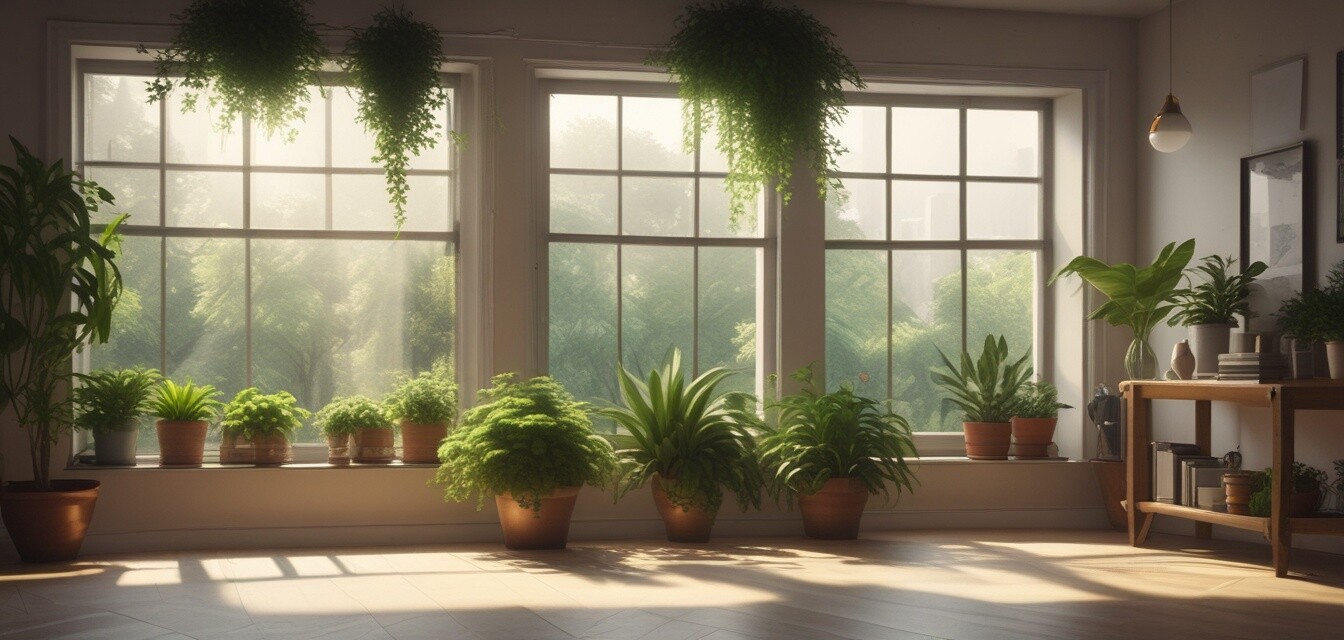
- Implementing natural solutions like houseplants can enhance the freshness of your indoor environment.
- Understanding the sources of indoor pollutants is crucial to maintaining clean air.
- Best practices include avoiding tobacco smoke and managing humidity levels.
Indoor air quality is essential for everyone, particularly for those who suffer from seasonal allergies. Poor air quality can exacerbate allergy symptoms and impact overall well-being. By implementing effective strategies and utilizing specific products, you can create a healthier living space. Here are some practical tips for enhancing indoor air quality that can benefit allergy sufferers.
Understanding indoor air pollution
Before diving into solutions, it's important to know what contributes to indoor air pollution. Here are some common sources:
- Dust mites
- Pollen
- Pet dander
- Mold
- Chemical pollutants from household products
- Tobacco smoke
Best practices for maintaining air quality
If you want to breathe easier at home, consider following these best practices:
1. Regular cleaning
Routine cleaning helps to minimize allergens and pollutants.
| Cleaning Task | Frequency |
|---|---|
| Dusting surfaces | Weekly |
| Vacuuming carpets and rugs | At least twice a week |
| Washing bedding | Weekly |
| Cleaning air vents | Every 3 months |
2. Utilizing air purifiers
Air purifiers can effectively remove airborne pollutants. They come equipped with different filtration systems:
| Type of Air Purifier | What it Filters | Best For |
|---|---|---|
| HEPA Filters | Allergens like pollen and dust | General allergy relief |
| Activated Carbon Filters | Odors and chemical fumes | Enhancing air freshness |
| UV-C Light Purifiers | Bacteria and viruses | Sanitizing air |
3. Adding houseplants
Certain houseplants can improve air quality and add a touch of nature to your space. Some great options include:
- Spider plant
- Peace lily
- Snake plant
- Boston fern
4. Keeping humidity levels in check
High humidity can promote mold growth, while low humidity can dry out sinuses. Aim for a humidity level between 30-50%. A dehumidifier or humidifier can be beneficial, depending on the conditions in your home.
Additional tips for better air quality
- Ventilate your home regularly. Open windows to let fresh air circulate.
- Avoid using tobacco indoors to prevent smoke pollution.
- Minimize the use of harsh chemical cleaners; opt for eco-friendly options.
- Regularly inspect for leaks or water damage, which can cause mold.
- Change your HVAC system’s air filters every 1-3 months.
Tips for allergy sufferers
- Shower and change clothes after coming home to reduce pollen exposure.
- Keep windows closed during high pollen seasons.
- Use allergen-proof covers for pillows and mattresses.
- Consider using hypoallergenic bedding materials.
- Monitor local pollen counts to stay informed.
Conclusion
Optimizing air quality in your home is a crucial step in managing seasonal allergies. By following these practical tips and integrating beneficial products into your living space, you can create a healthier environment. For more detailed insights on specific products, check out our guides on air purifiers, allergy medications, and allergy-proof bedding. Remember, a clean, well-ventilated home is not only better for your health but also enhances your overall quality of life.