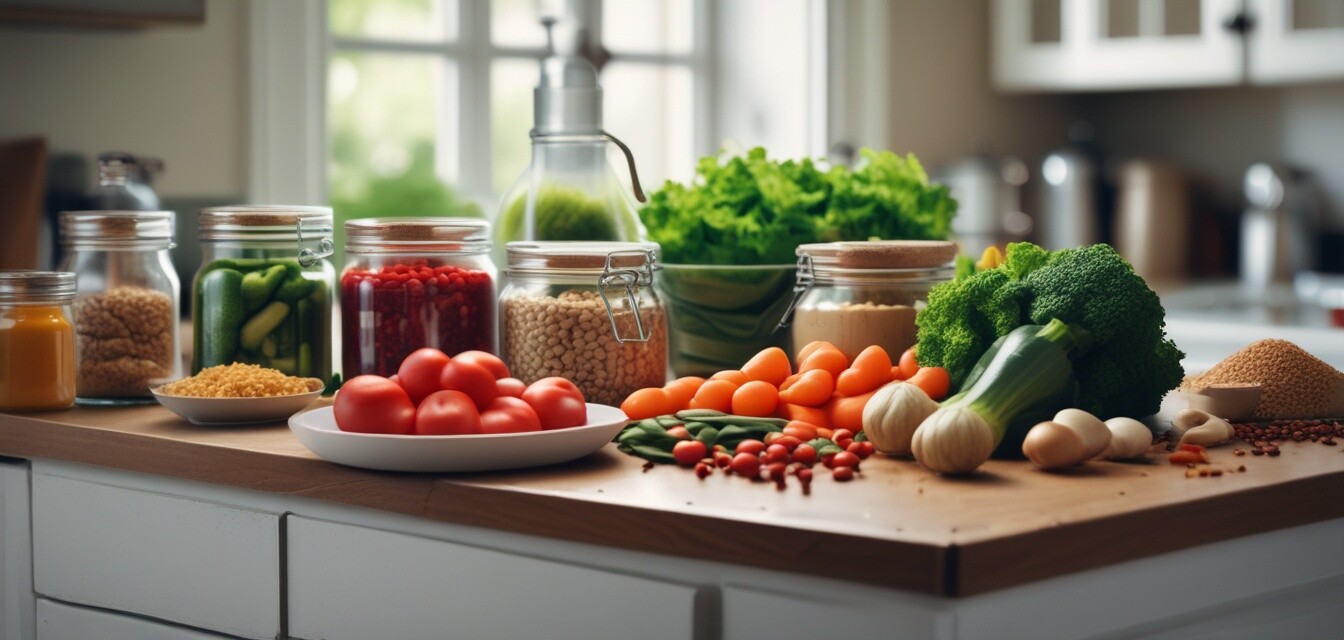
Food and Allergies: Best Practices for Safe Meal Prep
Managing allergies, especially in an environment where food is prepared, can be a challenging task. Understanding how to create allergy-safe meals at home is essential for those with dietary restrictions. This article explores essential guidelines for preparing meals safely, providing food substitution tips, and establishing best practices for labeling.
Key takeaways
- Understand common allergens and their alternatives.
- Implement strict labeling practices to avoid cross-contamination.
- Maintain a clean kitchen to ensure safe meal prep.
- Practice safe food storage to avoid allergen exposure.
- Educate family members about allergy-safe practices.
Understanding allergens
Before diving into meal preparation, it's crucial to familiarize yourself with common allergens and their substitutes. This knowledge not only aids in cooking but also enhances safety in your kitchen.
| Allergen | Common Substitute |
|---|---|
| Gluten | Gluten-free flours (almond, coconut, or rice flour) |
| Dairy | Almond milk, coconut yogurt, or cashew cheese |
| Eggs | Flaxseed meal or applesauce (1 tablespoon per egg) |
| Nuts | Seeds (sunflower or pumpkin seeds) |
| Shellfish | Plant-based alternatives or flaky fish |
Best Practices for Safe Meal Prep
Creating allergy-safe meals requires strategic planning and disciplined practices. Here are some best practices to consider:
1. Plan your meals
Start with careful meal planning to include allergy-safe foods only. This step helps avoid allergens and provides a straightforward shopping list.
2. Clean your kitchen
A clean kitchen is essential to minimizing the risk of cross-contamination. Here are some key actions to take:
- Sanitize counter surfaces before and after meal prep.
- Use designated cutting boards for allergenic ingredients.
- Wash hands thoroughly before cooking.
3. Use dedicated tools
Using separate utensils and cookware for allergens can reduce contamination risks:
- Consider color-coding tools for allergen-specific cooking.
- Store tools in distinct areas of the kitchen.
- Regularly inspect and replace worn-out utensils.
4. Label foods clearly
Labeling food items can prevent accidental consumption of allergens. Remember the following:
- Use clear and concise language on labels.
- Include expiration dates on items.
- Use icons to represent common allergens for quick identification.
Safe food storage practices
Food storage also plays a critical role in maintaining allergy safety:
- Store allergenic foods separately from safe foods.
- Use airtight containers to prevent cross-contamination.
- Check for spills or leaks that can contaminate other items.
Educate your family
Creating a safe environment requires everyone's involvement. Educate family members about safety practices, including:
Tips for involving family members
- Hold workshops or discussions on allergies.
- Create a family allergy action plan.
- Practice reading labels together.
Summary
Allergy-safe meal prep may seem daunting, but with proper knowledge and practices, it can become a seamless part of your cooking routine. By understanding allergens, implementing better meal prep practices, and educating family members, you can create a safe environment. For additional resources, check out our articles on allergy-proof bedding and best practices for seasonal allergies.
Final thoughts
Being conscious about food allergies during meal prep not only safeguards health but also enables everyone to enjoy nutritious meals. Embrace these best practices and make your home a haven for safety and deliciousness.
Pros
- Promotes health and safety
- Encourages creativity in meal preparation
- Builds awareness regarding food allergies
Cons
- Initial cost might be higher (tools and ingredients)
- Requires thorough planning and organization