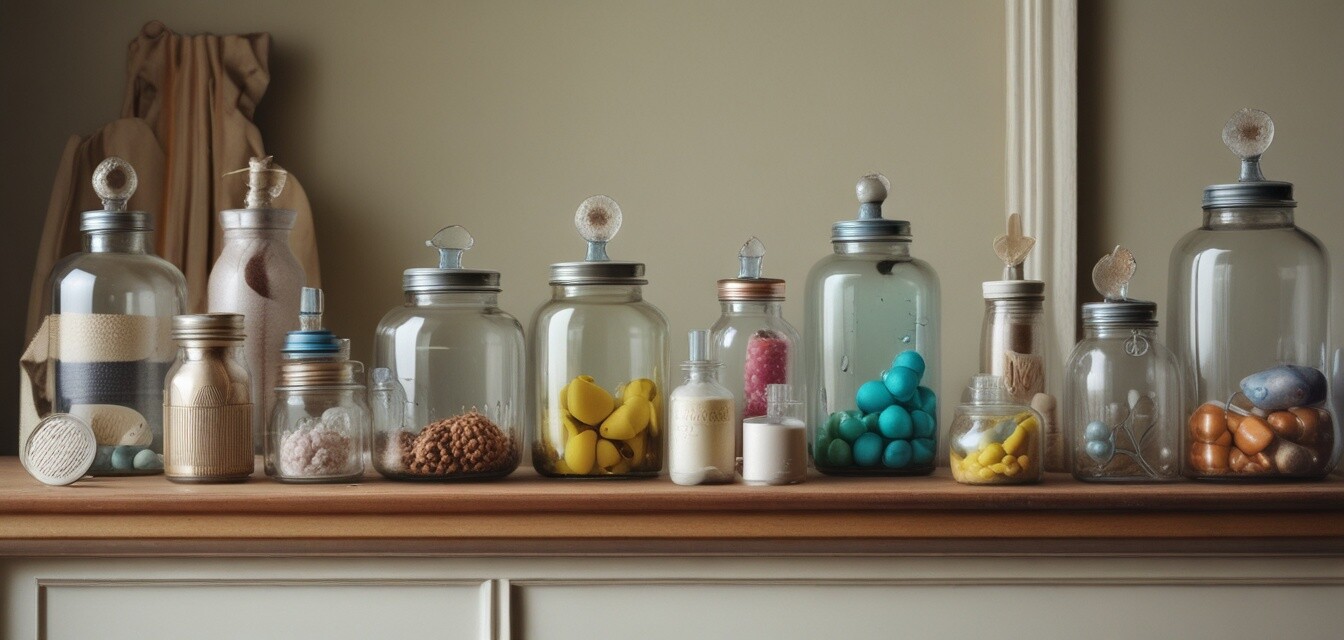
Upcycling home items to reduce allergens
- Explore creative ways to repurpose household items.
- Learn how to enhance your living space while reducing allergens.
- Utilize simple DIY projects to promote a healthier environment.
- Discover effective tips for effective home organization.
In the fight against seasonal allergies, it's essential to find practical and creative ways to minimize allergens in our homes. One effective method is to upcycle common household items. Not only does upcycling reduce waste, but it also allows you to create effective tools for allergen reduction. This article explores various ways you can repurpose household items, enhancing your living environment while keeping allergens at bay.
What is upcycling?
Upcycling is the process of transforming waste materials or unwanted products into new items of better quality or environmental value. It's a sustainable way to repurpose items, providing functional solutions to specific problems, like reducing allergens.
Why reduce allergens in your home?
Allergens can significantly affect your quality of life, especially during certain seasons. Common allergens include dust mites, pet dander, mold, and pollen. By reducing these allergens within your home, you can create a more comfortable and healthier living environment.
Creative ways to upcycle household items for allergen reduction
1. Reusable air filters from old t-shirts
Old cotton t-shirts can be repurposed into reusable air filters. Simply cut the shirt into squares and place them into your vents. These DIY filters can trap dust and allergens, and you can wash them periodically for continued effectiveness.
2. Mason jars for creating allergen-free storage
Mason jars are versatile and can be utilized for various storage solutions. You can use them to store dry goods, minimizing exposure to dust and pollutants. Ensure they are sealed tightly to keep allergens out.
3. Furniture made from old hardwood pallets
Using hardwood pallets, you can create furniture that minimizes the accumulation of dust. Unlike traditional upholstered furniture, wooden furniture is easier to clean. Upcycling pallets into coffee tables, shelves, or plant stands can reduce hiding spots for dust mites.
4. DIY air fresheners from citrus peels
Upcycle leftover citrus peels into natural air fresheners. Simply fill a bowl with peels and place it in your living area. The pleasant scent can help mask unwanted odors without adding to your allergen burden.
5. Old curtains as air purifiers
If you have old curtains lying around, consider turning them into air purifiers. Simply soak them in a vinegar solution, then hang them back up. They can act as temporary barriers for allergens.
6. Repurposing old toothbrushes for cleaning
Don't throw away old toothbrushes—use them for thorough cleaning. They can reach tight spaces to remove dust and allergens from electronics, furniture, and window sills.
Upcycling and home organization
Effective home organization is key to minimizing allergens. By upcycling household items, you can create not only functional storage solutions but also aesthetic enhancements that contribute to a cleaner environment. Here are some tips:
Tips for effective home organization:
- Utilize labeled boxes: Upcycle cardboard boxes into labeled storage bins to keep your items organized and dust-free.
- Declutter regularly: Regularly assess your belongings and de-clutter spaces to prevent dust buildup.
- Use fabric scraps: Turn fabric scraps into drawer organizers to separate small items while minimizing dust exposure.
Final thoughts
Upcycling household items not only contributes to reducing waste but also provides simple, cost-effective solutions for minimizing allergens in your home. Engaging in these creative projects can enhance your living environment while promoting healthier choices. For more tips on managing seasonal allergies, check out our Tips and Best Practices page, or explore our Air Purifiers and Allergy-proof Bedding.
Pros
- Reduces waste and protects the environment.
- Creates functional and aesthetic home solutions.
- Cost-effective way to manage allergens.
- Encourages creativity and resourcefulness.
Cons
- May require time and effort to create solutions.
- Not all upcycled items can effectively reduce allergens.
- Requires some DIY skills.